Nuclear Power
Nuclear power is needed for the H bomb
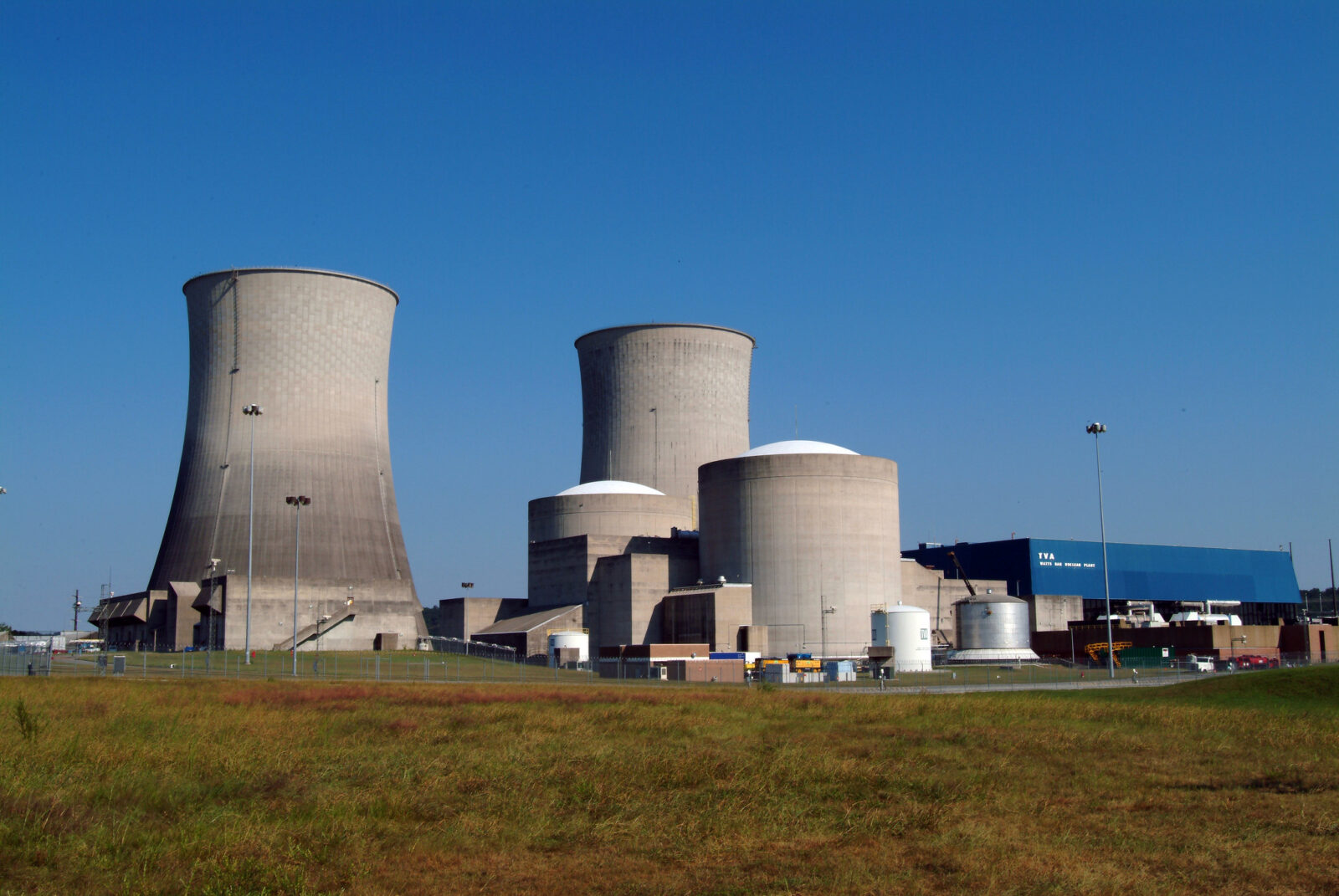
TVA’s not so hidden agenda for supporting nuclear power for climate The Associated Press chose Tennessee Valley Authority (TVA) President and CEO, Jeff Lash to express — “simply” — the view that “You can’t significantly reduce carbon emissions without nuclear power,” in its story proclaiming that almost two thirds of US states will choose nuclear…
Read MoreLake animals near Chernobyl have mutations

Animals in lakes close to the Chernobyl nuclear reactor have more genetic mutations than those from further away – giving new insight into the effect of radiation on wild species, researchers at the University of Stirling have found, writes Brendan Montague in The Ecologist. DNA analysis of freshwater crustaceans, called Daphnia (pictured), revealed greater genetic diversity…
Read MoreUkraine’s nuclear risks
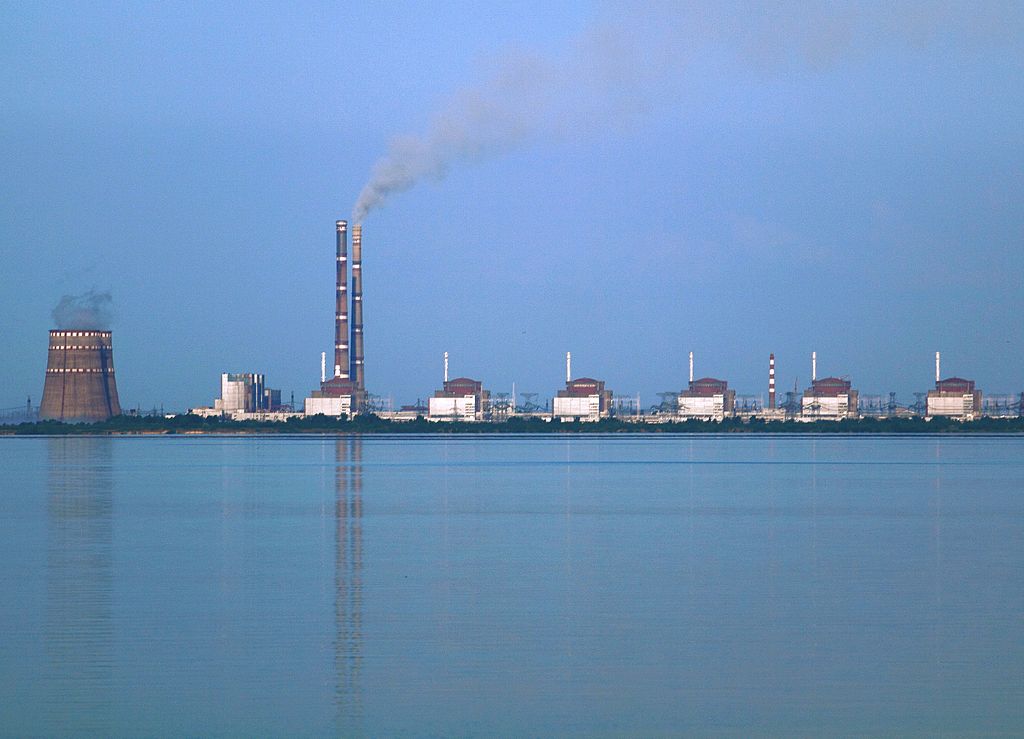
No matter the genesis, the cause, or who started what, the reality remains that there are 15 operating nuclear reactors in Ukraine that, if conflict breaks out there, could be in peril. If the reactors find themselves amidst a conflict or war, they cannot simply be abandoned by the workforce. This makes the prospects of…
Read MoreDisbelief at EC’s latest fairy tale

The European Commission (EC) declared on February 2 — in its Taxonomy Complementary Climate Delegated Act (Act)— “that there is a role for private investment in gas and nuclear activities in the transition” to European climate neutrality. Effectively, it is saying that nuclear power and fossil gas are “green” and “sustainable.” But the document it released,…
Read MoreNot so fast

Bill Gates is unleashing a potentially very big proliferation problem with his TerraPower Natrium reactor, despite his denials. Victor Gilinsky and Henry Sokolski of the Nuclear Non-Proliferation Center say there’s a lot more to the story. Here is what they wrote: “Late last week, Bill Gates’ TerraPower nuclear reactor corporation struck an agreement with the…
Read MoreFEB 4: A discussion of energy futures from Oregon to the entire West Coast

Please note a valuable forthcoming opportunity for you, your members, and your networks to hear two of the world’s most knowledgeable energy and nuclear experts. Amory Lovins and Dr. M.V. Ramana, will discuss Oregon’s current energy sources and energy options available for addressing the unfolding climate crisis THIS Friday, February 4, 2022, at 12:00pm to…
Read MoreFive former Japan PMs disavow nuclear power

Five former prime ministers of Japan have expressed shock that the European Union would consider including nuclear power in its “green” Taxonomy. In a statement signed by Junichiro Koizumi, Morihiro Hosokawa, Naoto Kan, Yukio Hatoyama (pictured) and Tomiichi Murayama, the five said: “What we have witnessed in Fukushima over the last decade is an indescribable…
Read MoreUranium Atlas now in French
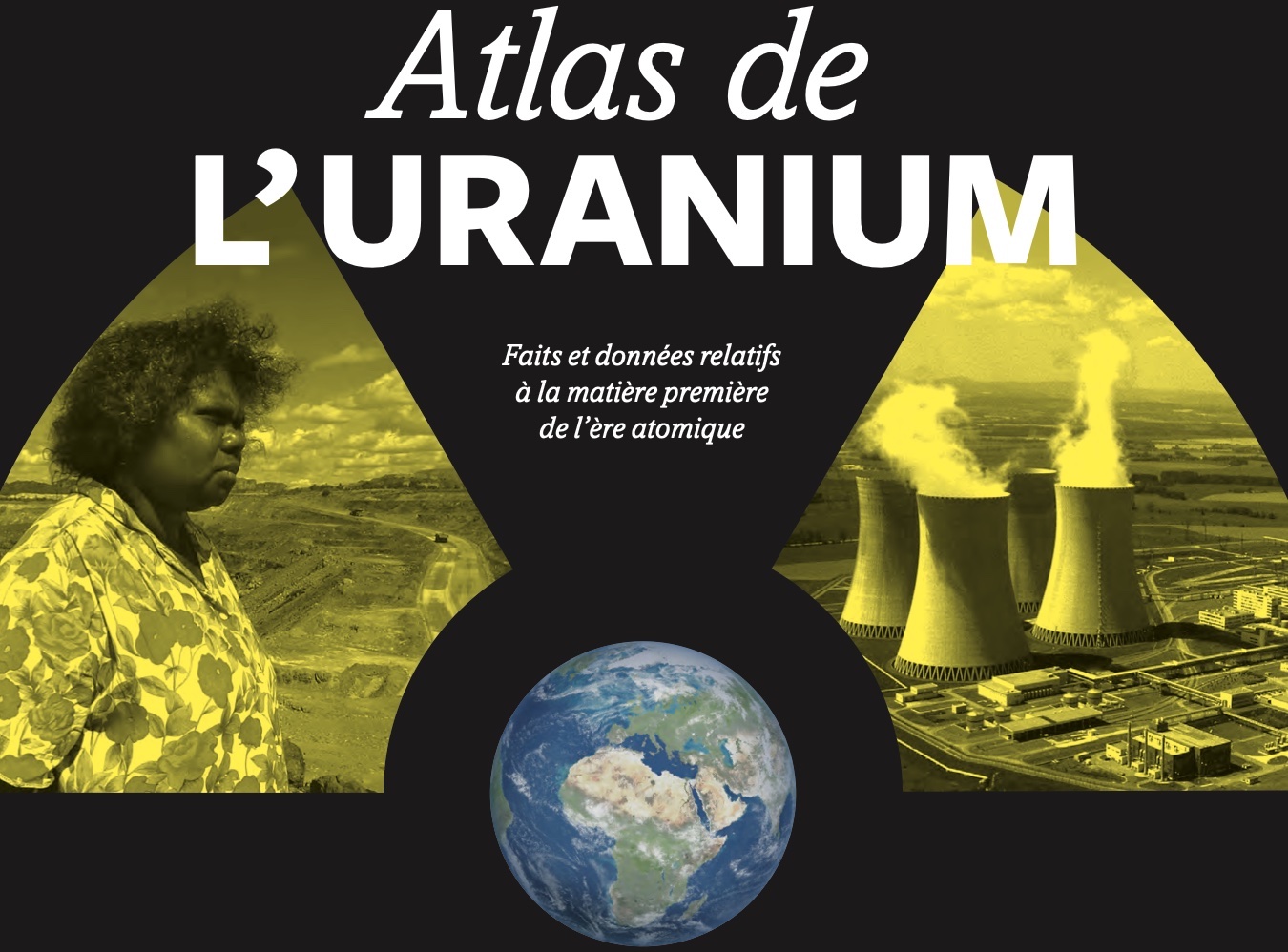
For our French and Francophone friends, the Uranium Atlas has now been published in French. The Uranium Atlas literally maps the use of uranium across the globe, from mining to its use for nuclear power and nuclear weapons as well as the lethal waste trail it has left behind. First published in German, the English…
Read More“Risks of nuclear power cannot be controlled”

Dr. Inge Paulini, president of Germany’s Federal Office for Radiation Protection (FORP), has come out with a clear and categorical statement about the risks of nuclear power as the European Commission continues to weigh consideration of the energy source under its “green” EU Taxonomy. In a statement on the FORP website, Dr. Paulini said: “The…
Read MoreReactors are closing
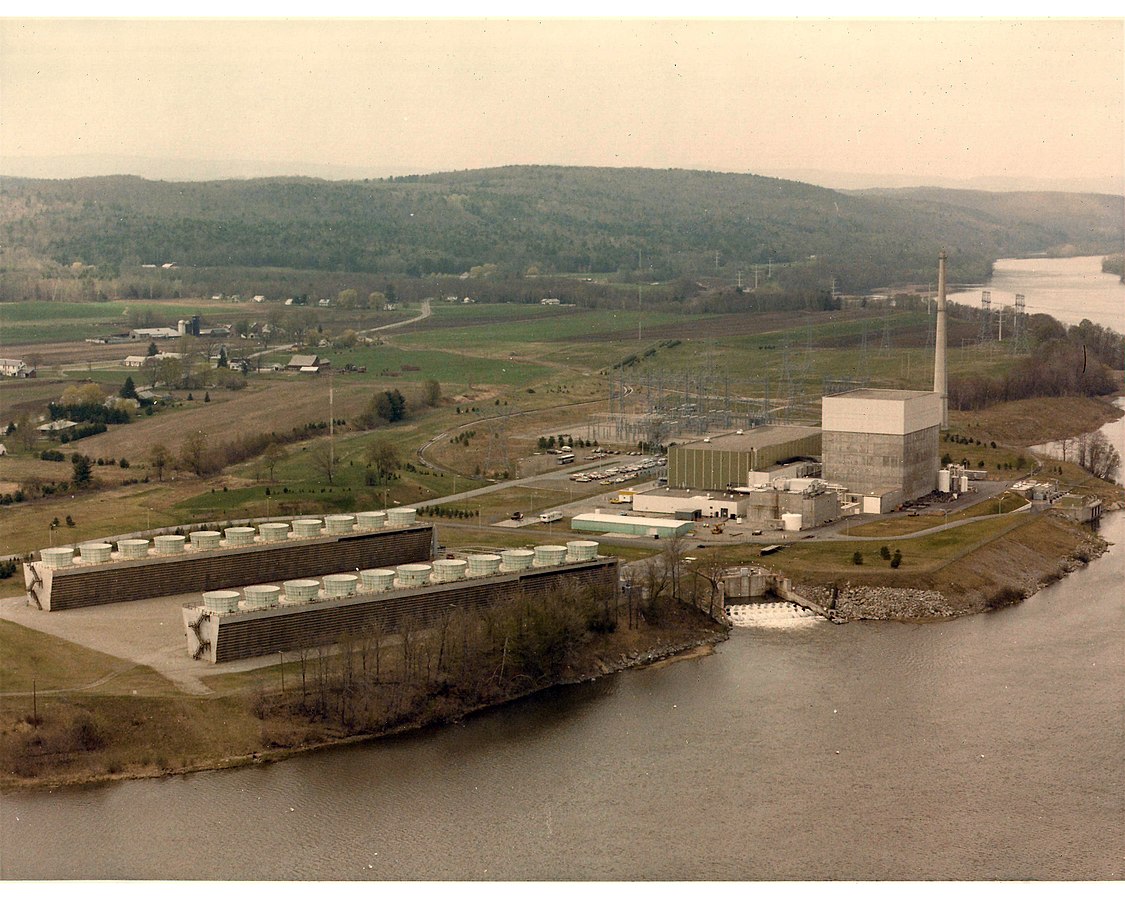
There are presently 94 commercial nuclear power reactors licensed to commercially operate in the United States. While U.S. nuclear power stations were originally licensed to operate for a 40-year period, the bulk of the U.S. nuclear power fleet is now relicensed by the U.S. Nuclear Regulatory Commission (NRC) to operate for an “initial” 20-year license extension…
Read More