News
Biden’s $6 billion nuclear boondoggle

A statement from Beyond Nuclear The misguided but predictable decision by the Biden administration to waste $6 billion in taxpayer dollars propping up US reactors that were scheduled to close, further detours from and delays urgently needed action on the climate crisis. Just as predictably, conservative Democrat, Senator Joe Manchin, wrongfully claimed that the funding…
Read MoreNuclear power blown away by wind
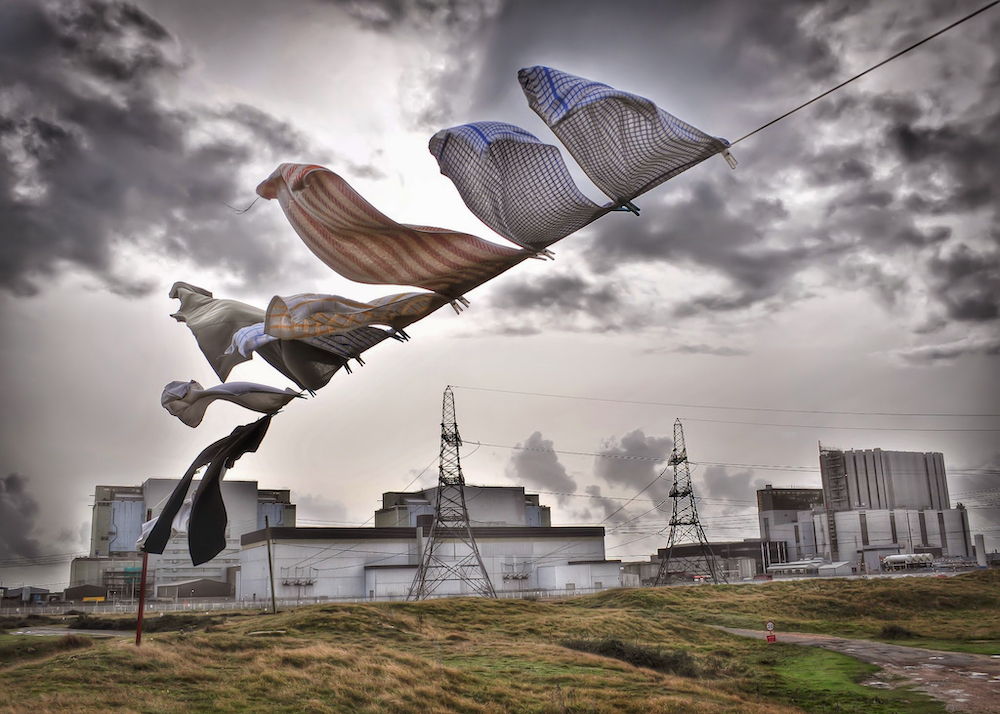
As backward-thinking dinosaurs in the US Senate continue to push nuclear power, that technology has been literally blown away by wind. On March 29, wind power produced more electricity than both coal and nuclear power, the first time in US history that wind has ranked in front of coal and nuclear on the same day,…
Read MorePeace petition tops one million; goes to UN

On April 12, the IPPNW petition to reject war and nuclear weapons was delivered at United Nations Headquarters in New York. Launched by 16 Nobel Peace Prize Laureates and so far joined by 1,061,000 citizens worldwide, the open letter calls for “an immediate ceasefire and the withdrawal of all Russian military forces from Ukraine, and…
Read MoreWATER IS LIFE! Protectors speak out against Holtec

At the Palisades [Decommissioning] Community Advisory Panel on April 13, Beyond Nuclear delivered comments, regarding Holtec’s threat to target one or more so-called Small Modular Reactors at the site on the Lake Michigan shore in Covert, Michigan. We also commented on PCAP’s economic analysis. We were joined by allies from Michigan Safe Energy Future, Don’t…
Read MoreInternational report reveals nuclear is boondoggle for climate

If a picture is worth a thousand words, then this chart from the Intergovernmental Panel on Climate Change (IPCC) 2022 report Mitigation of Climate Change reveals our entire carbon-free future roadmap, encapsulating the nearly 3,000 page, highly-detailed report, in a single page (and some fine print footnotes). Not surprisingly, nuclear power is exposed…
Read MoreInteractive map shows threat to Ukraine’s reactors
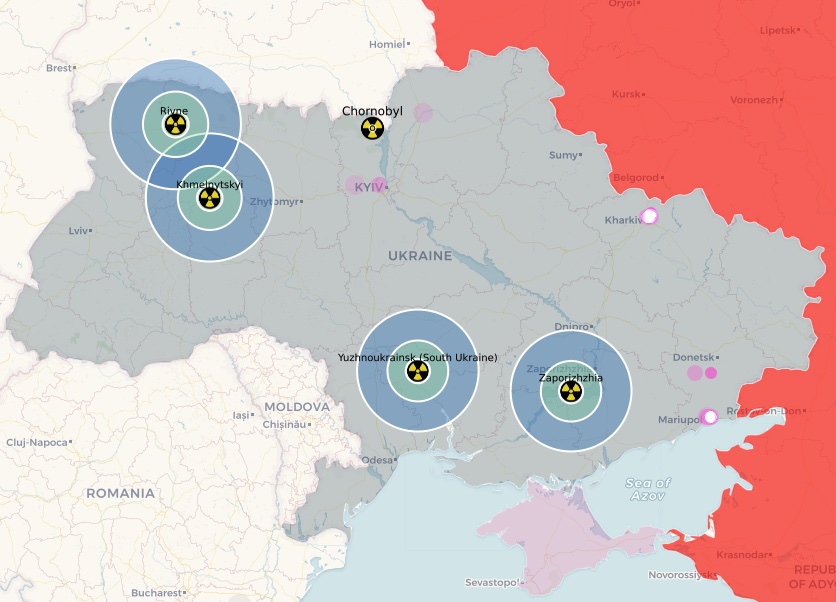
Greenpeace International has created an interactive map displaying the locations of Ukraine’s nuclear power sites and their proximity to Russian military forces since the invasion on February 24, 2022. Using publicly-sourced information, it tracks, at fixed time intervals, the movement of the Russian military and makes clear how vulnerable Ukraine’s civilian power reactors are as…
Read MoreExperts return to devastated Chornobyl area
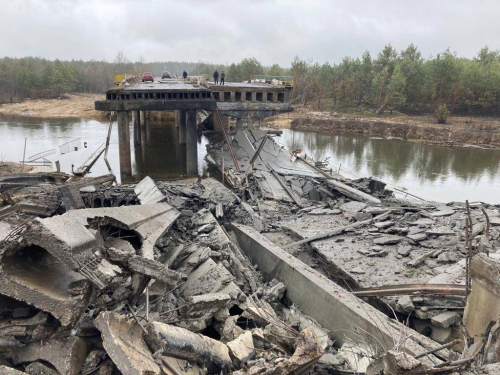
Experts were able to return to Chornobyl* for the first time since the Russian military seized the defunct, and highly radioactive, Chornobyl site. According to the State Agency of Ukraine for Exclusion Zone Management (DAZV) they traversed extremely difficult conditions — including destroyed bridges and roadways — and have taken photographs of the first part…
Read MoreChornobyl radiation makes Russian soldiers sick?

Russian troops are suffering from “acute radiation sickness”, according to the Daily Beast, after digging trenches in the Chornobyl area. As they were disturbing the highly-contaminated soil in the Red Forest of the Exclusion Zone — an area where not even highly-specialized Chornobyl personnel venture — the soldiers began falling ill and were transported to…
Read MoreThe IAEA in Ukraine

The International Atomic Energy Agency (IAEA) says it has “drawn up concrete and detailed plans for safety and security assistance to Ukraine’s nuclear sites”. The Director General of the IAEA, Rafael Mariano Grossi (pictured), is in Ukraine “for talks with senior government officials on the IAEA’s planned delivery of urgent technical assistance to ensure the…
Read MoreHow Three Mile Island birthed eco-feminism
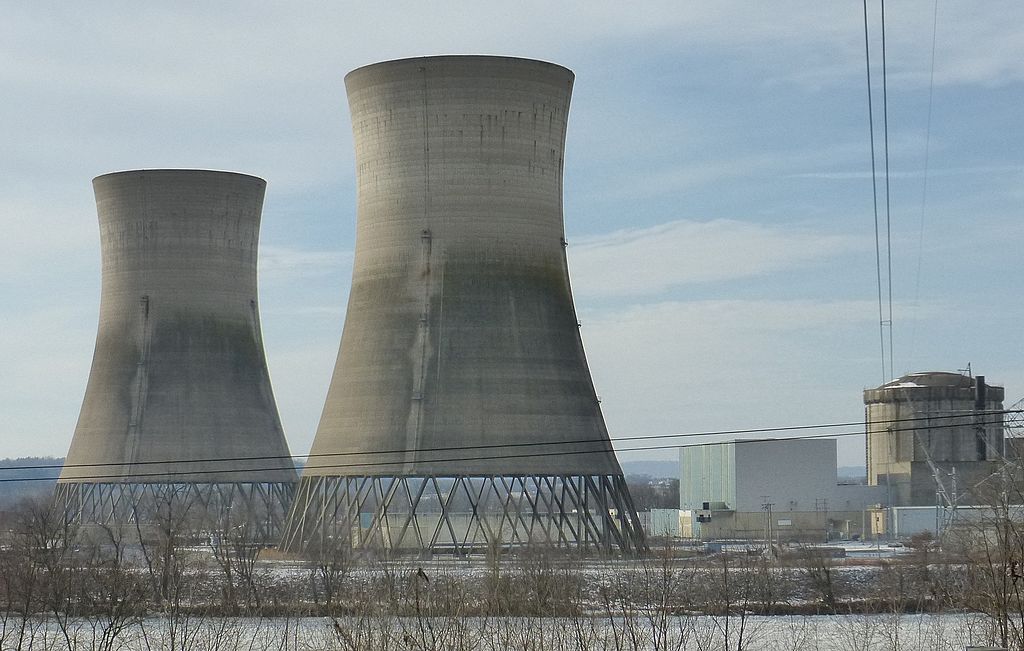
Nuclear disaster motivated and mobilized women’s movement One of the perhaps lesser-known outcomes of the Three Mile Island nuclear disaster, marking it 43rd commemoration today, is that it inspired the popularization of what is now known as “eco-feminism.” Writes Grace Rivers, a sophomore at Georgetown University, in The Hoya: “Emerging in the 1970s and 80s with…
Read More