News
Palisades nuclear power station permanently closes
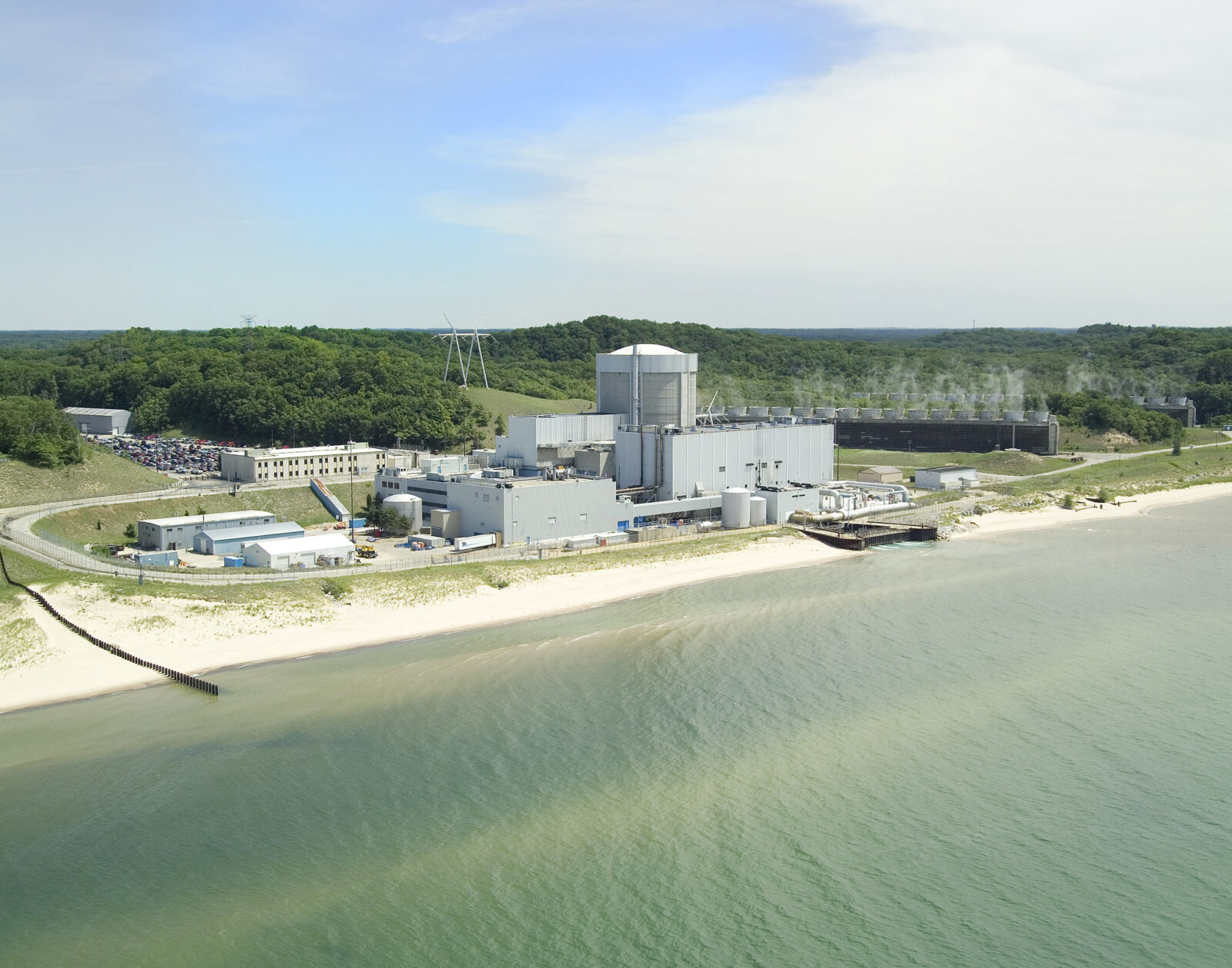
The Palisades nuclear power station located in Covert Township, Michigan on the shore of Lake Michigan has permanently closed. The single-unit nuclear power station had just received approval from the Nuclear Regulatory Commission to transfer the federal license on December 13, 2021 from the New Orleans-based Entergy Nuclear Corporation to the Camden, New Jersey private…
Read MoreJapan regulator OKs water dump
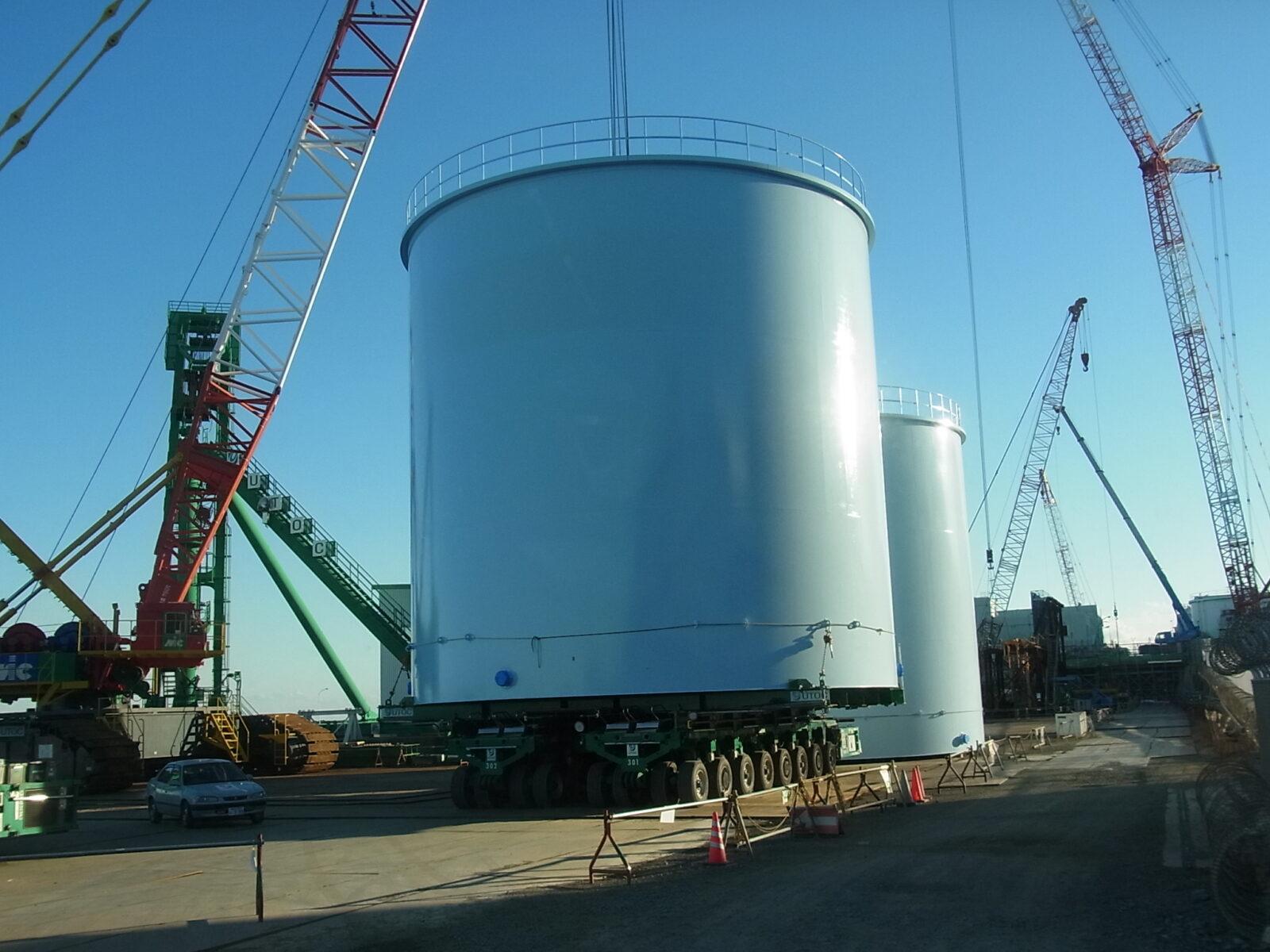
Plan to Discharge Fukushima Water Into Pacific Gets OK From Regulators The discharge could release a number of radioactive isotopes into the Pacific Ocean, critics say By Julia Conley, Common Dreams Despite outcry from local leaders and the Japanese public and warnings from environmental campaigners, Japan’s Nuclear Regulation Authority on Wednesday gave its approval for…
Read MoreHundreds protest proposed UK nuclear plant
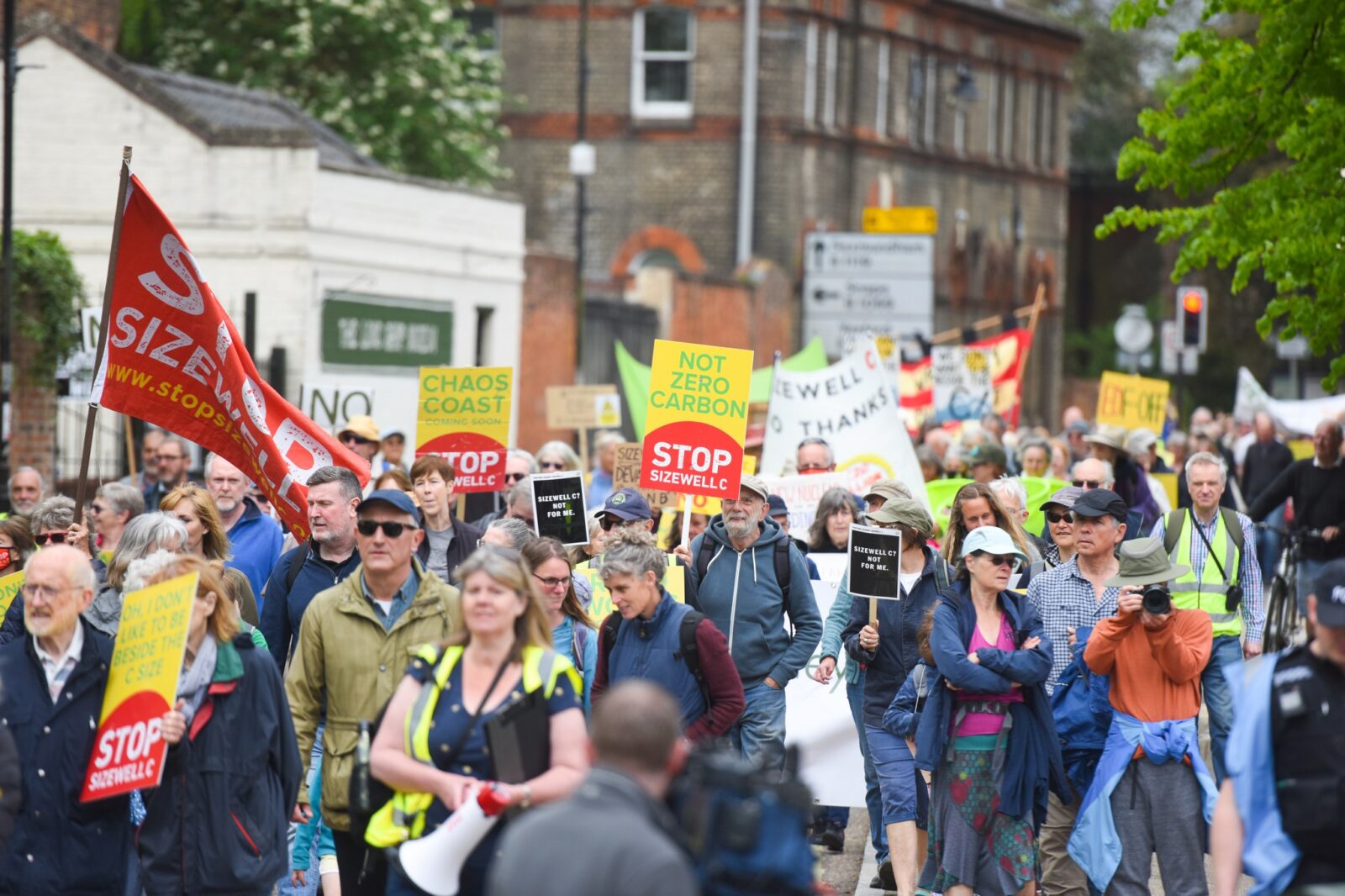
Hundreds took to the streets in Suffolk, UK on Sunday to protest the UK government’s plan to allow EDF to build two massive EPR reactors — known as Sizewell C — at the Sizewell nuclear site. The coastal reactors would be situated literally on a beach and next to a precious nature preserve. The two…
Read MoreRadiation compensation act extended
A May 11 vote by the US House of Representatives that ensured that the Radiation Exposure Compensation Act would not sunset next month, as many feared, now gives activists another two years to broaden inclusion of those deserving compensation. The House vote supported a Senate bill introduced by Republican Mike Lee of Utah, which passed…
Read MoreFrench nuclear choice poisoned lands and people
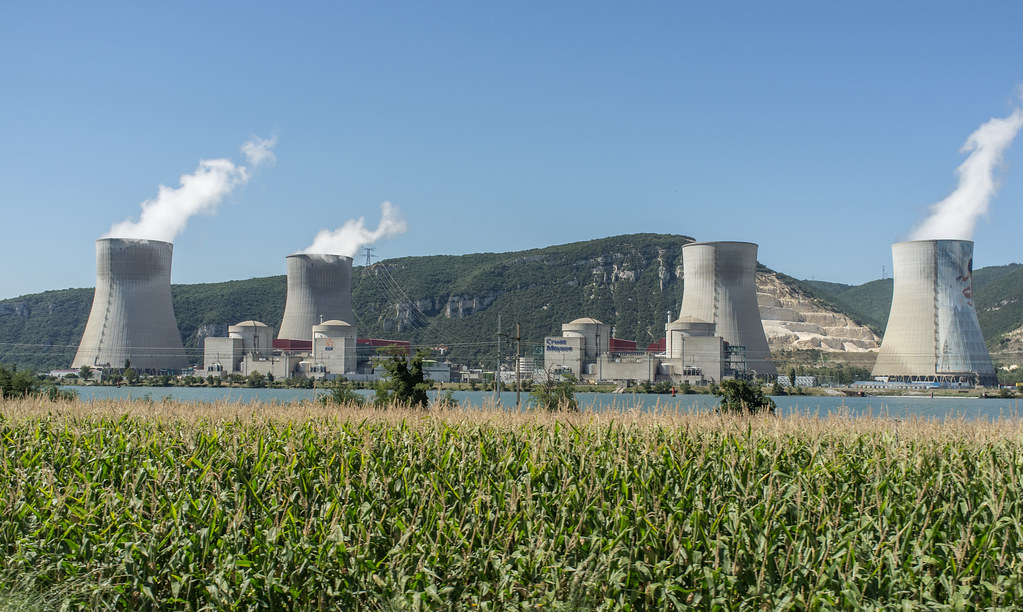
The choice by France to prioritize nuclear power over all other energy sources has cost the French people in numerous ways, most recently fiscally with half the nuclear fleet shut down for technical or maintenance reasons. The nuclear power monopoly means the French renewable sector has been stifled and is not there now to replace…
Read MoreNuclear pays out again to ripped off ratepayers
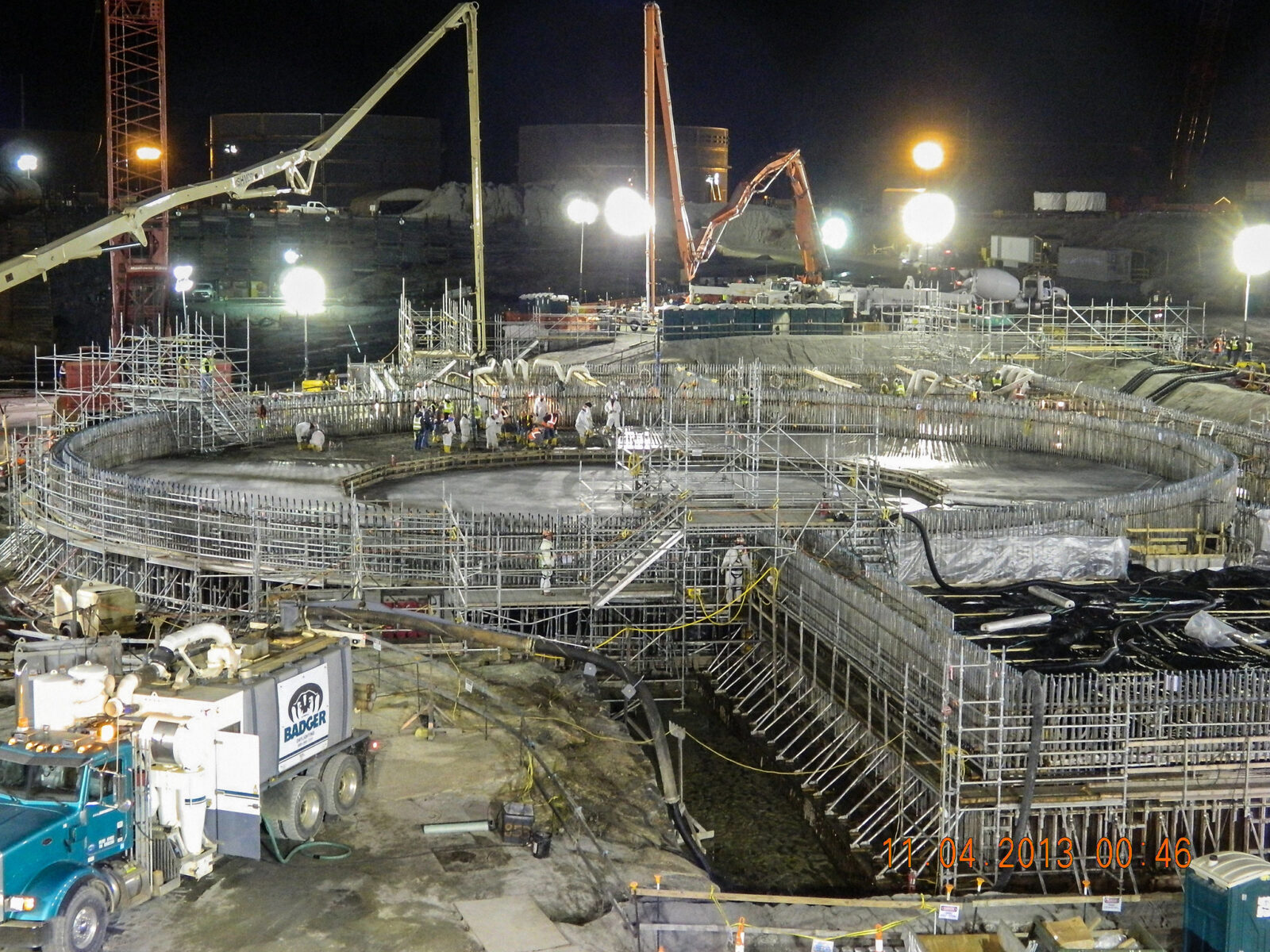
You would think that being the slowest, most expensive and most dangerous energy choice out there, nuclear power would not be at the top of anyone’s list as an option with which to address the climate crisis. Then add the current industry track record and nuclear power ought to be dismissed outright without further consideration.…
Read MoreA 600-hour shift at Chornobyl

Chornobyl nuclear power plant engineer, Liudmyla Kozak, has described to Reuters how what was supposed to have been a 12-hour work shift turned into 600 hours after Russian invading forces took over the site on February 24. While no Chornobyl plant workers were beaten up or harmed, Kozak said, they remained obedient to commands, fearing…
Read MoreAnother Zaporizhzhia near miss?
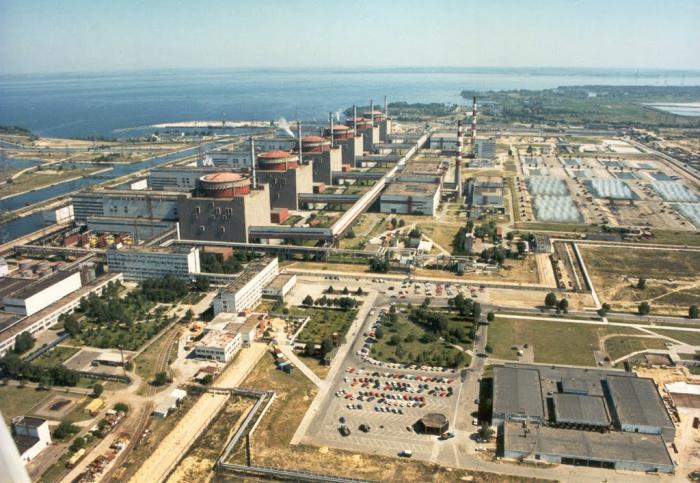
Unverified reports are coming in that a Russian missile that struck a factory in the southeastern Ukraine city of Zaporizhzhia could be one of two cruise missiles observed flying low over the six reactor nuclear power plant there, causing more alarm about another possible attack. The BBC, which said it could not verify the accuracy…
Read MoreMacron’s nuclear error
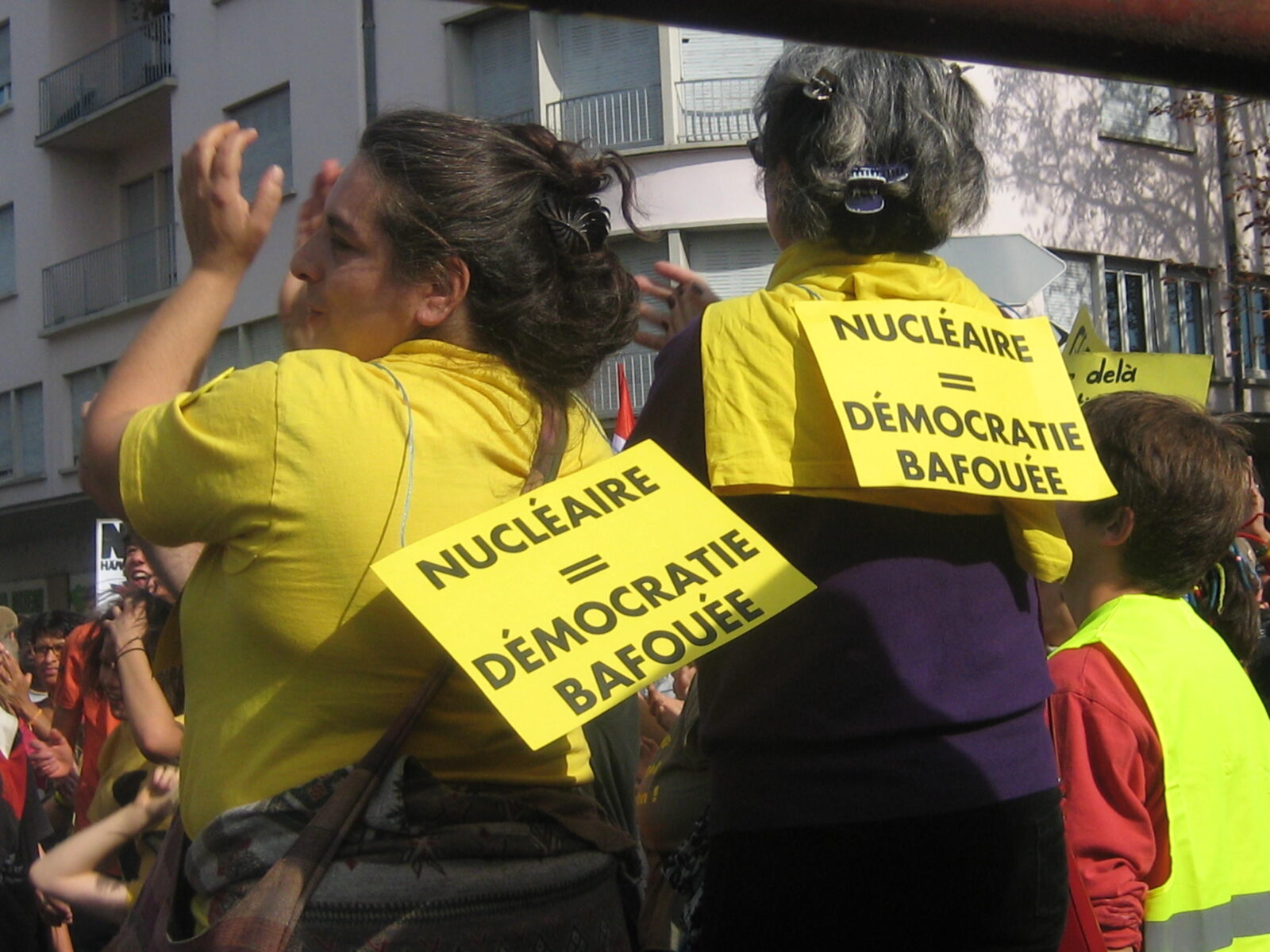
Progressives in France may be breathing a sigh of relief that at least the winner in last Sunday’s presidential election runoff was not the far right candidate, Marine Le Pen. But another term of Emmanuel Macron is a bitter consolation prize for the country’s — and Europe’s — anti-nuclear movement. Although not as unhinged as…
Read MoreA map of our nuclear nightmare
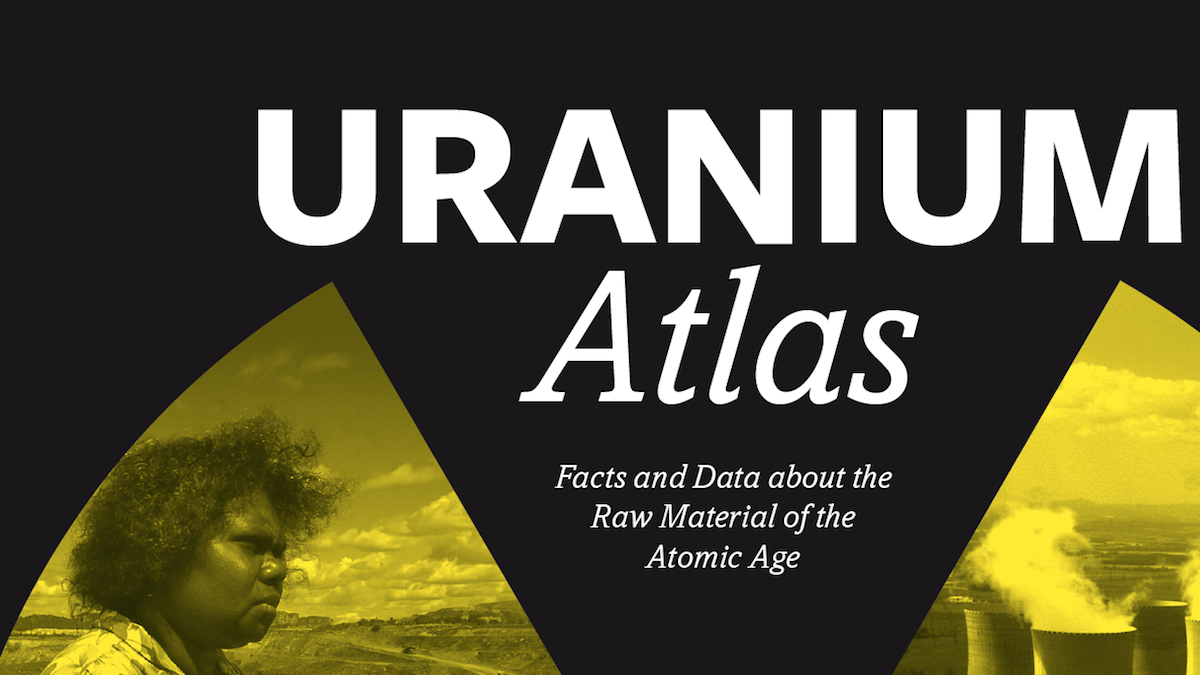
Nuclear power and nuclear weapons are inextricably linked, and that link began when the first gram of uranium ore was removed from the earth. Contrary to Indigenous beliefs, which insist that uranium ore must be left in the ground, the very people who cautioned against digging it up were forced to do this very work.…
Read More