Latest News
The power of messaging

This week’s edition of Nuclear Hotseat looks at nuclear activism and social messaging. Host, Libbe HaLevy interviews Colleen Moore (pictured), Digital Engagement Manager for Beyond the Bomb and Global Zero. Moore creates content to promote the message of eliminating nuclear weapons and has experience in campaigning for justice and peace issues, including: ending U.S. support…
Read MoreCISFs would automatically double transport risks!
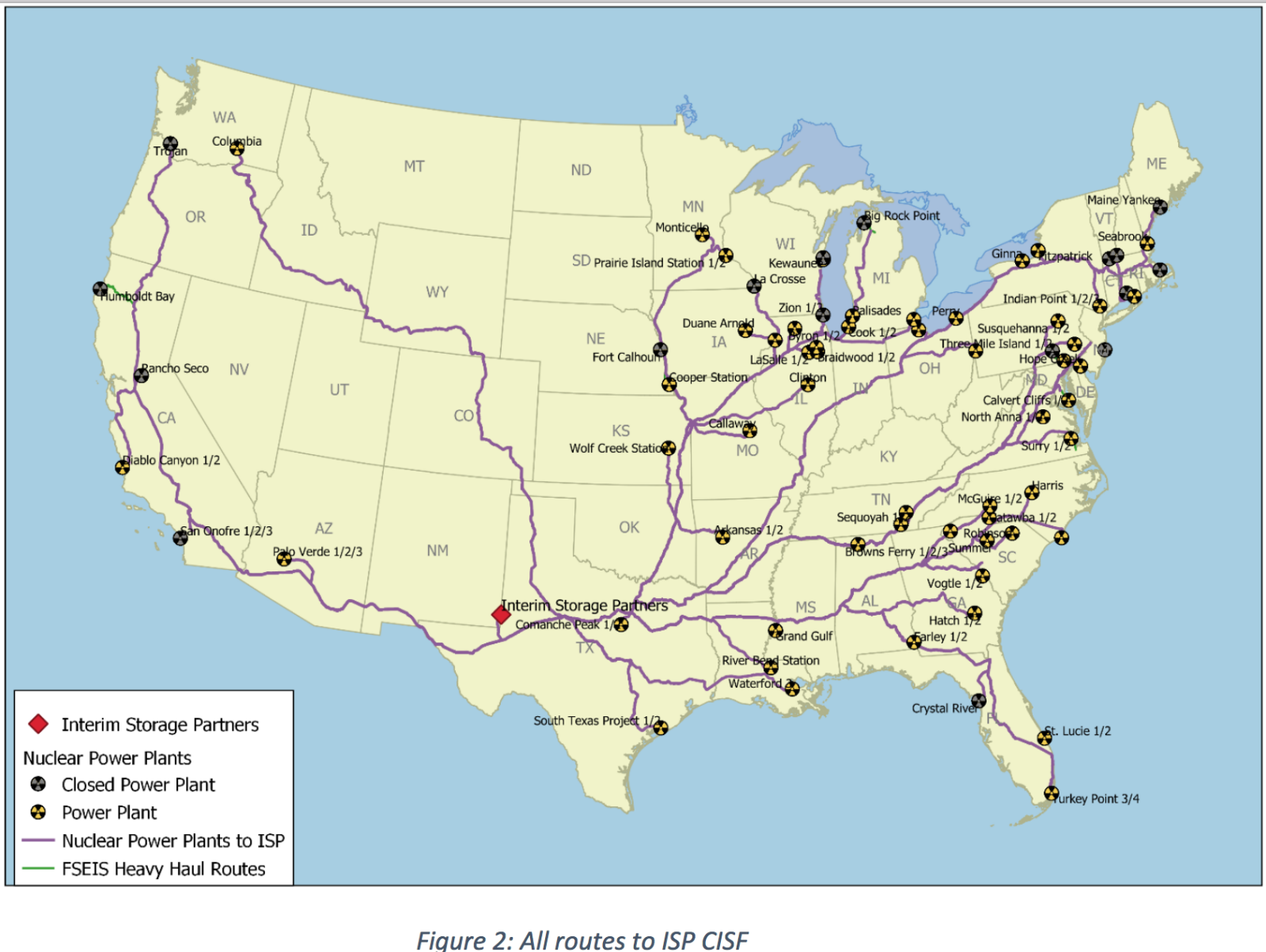
Consolidated interim storage facilities (CISFs) for highly radioactive irradiated nuclear fuel would automatically double already high transportation risks. First the wastes would be shipped from the nuclear power plants where they are currently stored, to a CISF. But someday — or some decade, or some century, depending on how long the CISFs would sit there…
Read MoreJapan court bars Hokkaido reactors from operating
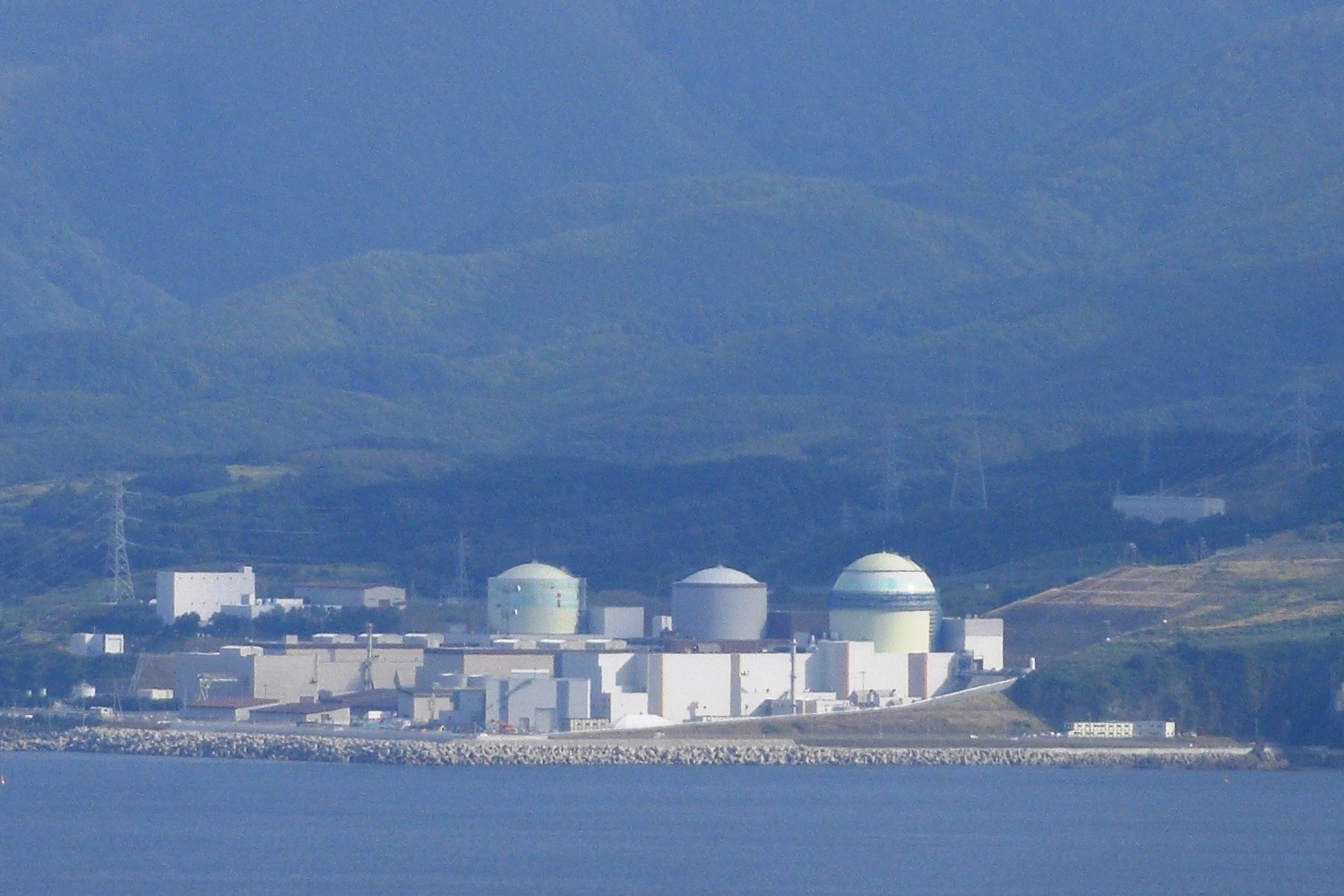
A Sapporo District Court has ruled that the three Tomari reactors, fully offline since 2012 in the wake of the Fukushima nuclear disaster, cannot restart. The ruling sides with an anti-nuclear citizen’s group. The court said the reactors were not safe to operate because of earthquake and tsunami concerns, but rejected the group’s bid for…
Read MoreRemember when one million marched?
June 12 is the 40th anniversary of the largest U.S. peace demonstration in U.S. history, the nuclear disarmament protest that contributed to the end of the Cold war. That was when more than a million people gathered in New York City’s Central Park demanding the abolition of nuclear weapons. On that same date this year,…
Read MoreAtomic Cover-Up on Nuclear Hotseat
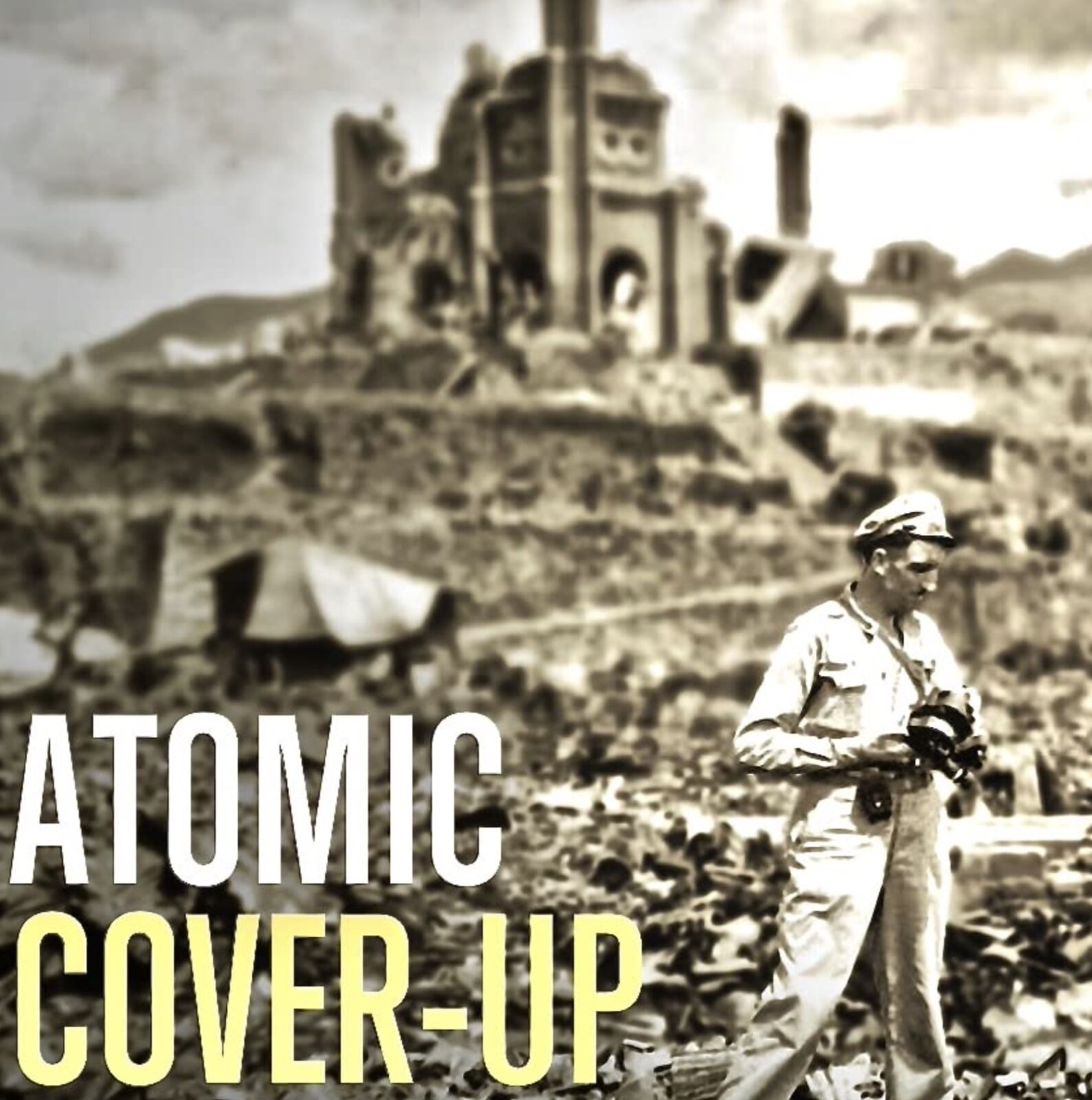
This week on Nuclear Hotseat, Libbe HaLevy interviews documentary film director, Greg Mitchell about his new film, Atomic Cover-Up, an award-winning documentary available for free at the International Uranium Film Festival until May 29. Atomic Cover-Up shows film that was shot in the immediate aftermath of the atomic bombing of Hiroshima and Nagasaki, and was classified ‘top…
Read MorePalisades nuclear power station permanently closes
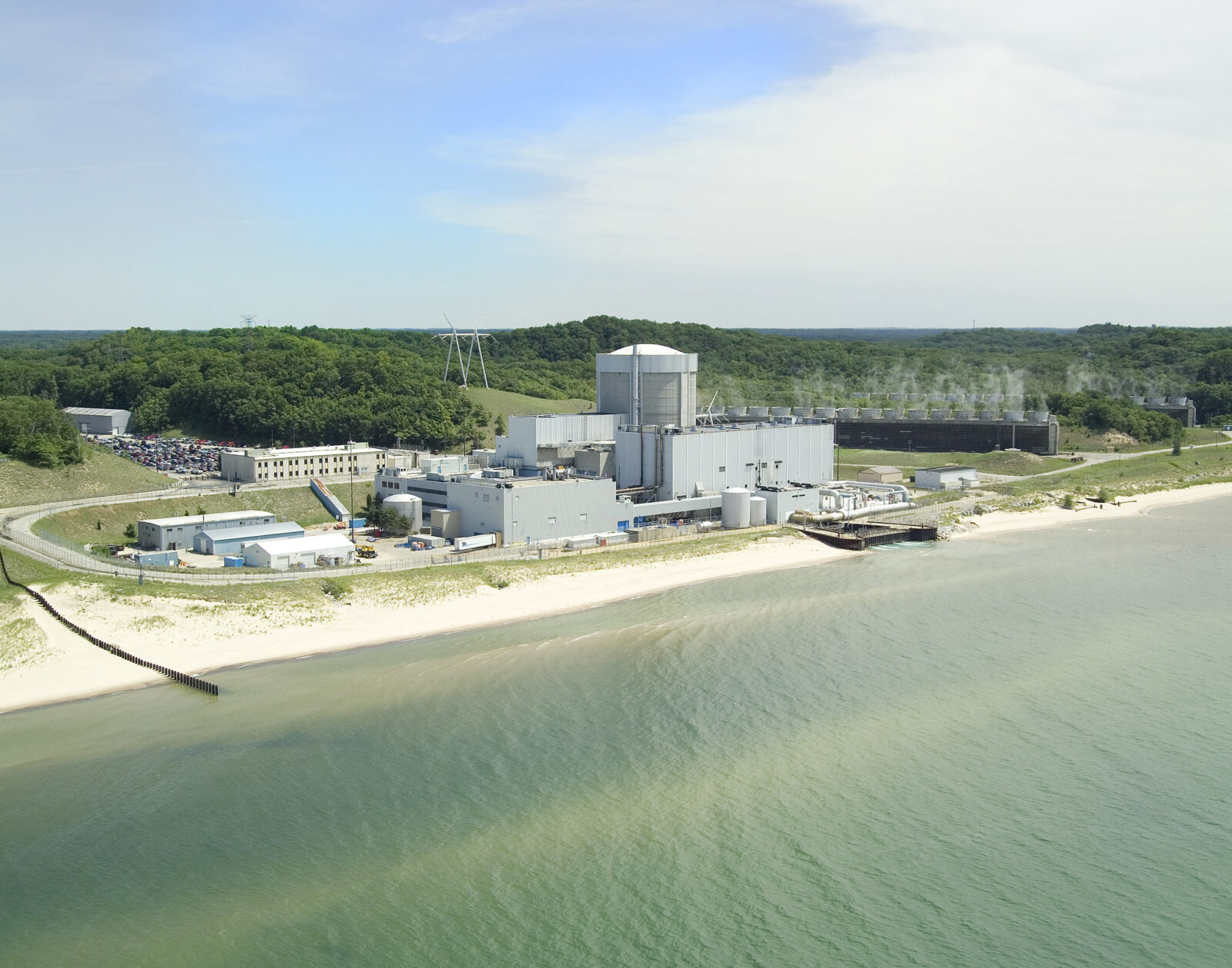
The Palisades nuclear power station located in Covert Township, Michigan on the shore of Lake Michigan has permanently closed. The single-unit nuclear power station had just received approval from the Nuclear Regulatory Commission to transfer the federal license on December 13, 2021 from the New Orleans-based Entergy Nuclear Corporation to the Camden, New Jersey private…
Read MoreA German first for offshore wind

From Clean Energy Wire For the first time, offshore wind energy in Germany is being used to stabilise the country’s electricity system in case of grid fluctuations. The offshore wind farm Riffgrund 1, operated by Danish energy company Ørsted, will act as a so-called secondary reserve for the grid, meaning “offshore wind power is just…
Read MoreA challenge to President Biden
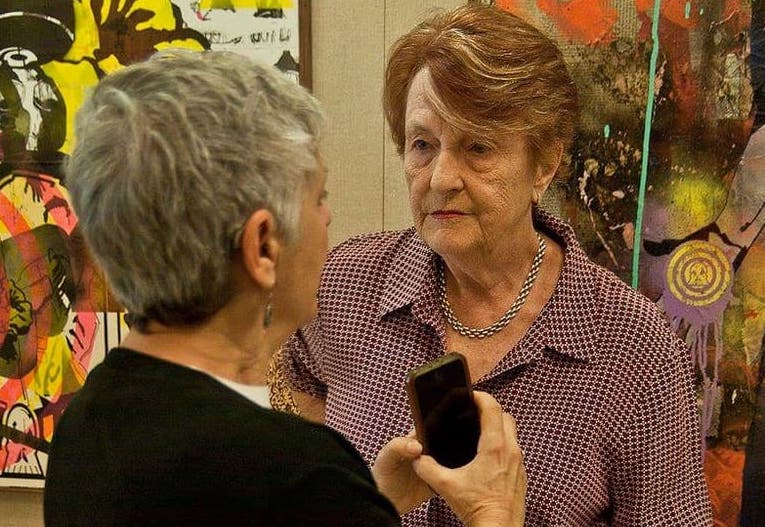
On this week’s Nuclear Hotseat, Libbe HaLevy continues her interview with anti-nuclear icon and legend, Dr. Helen Caldicott. Caldicott issues a challenge to President Joe Biden, to sit down and really talk about what nuclear weapons mean and on the reality of what nuclear war would do to people, the environment, and the future. And…
Read MoreJapan regulator OKs water dump

Plan to Discharge Fukushima Water Into Pacific Gets OK From Regulators The discharge could release a number of radioactive isotopes into the Pacific Ocean, critics say By Julia Conley, Common Dreams Despite outcry from local leaders and the Japanese public and warnings from environmental campaigners, Japan’s Nuclear Regulation Authority on Wednesday gave its approval for…
Read MoreNuclear power hurts people

“The thing is that nuclear power happens to people. And what happens to them is, a lot of the time, a crime. It’s a crime against race, against justice, against the environment, against animals. It’s a crime against humanity. But it’s almost never looked at through that frame. Today, when people see nuclear power on their electric bill, they don’t know who really paid before they switched their lights on.” On April 28, 2022, Linda Pentz Gunter of…
Read More