Private companies to get weapons plutonium
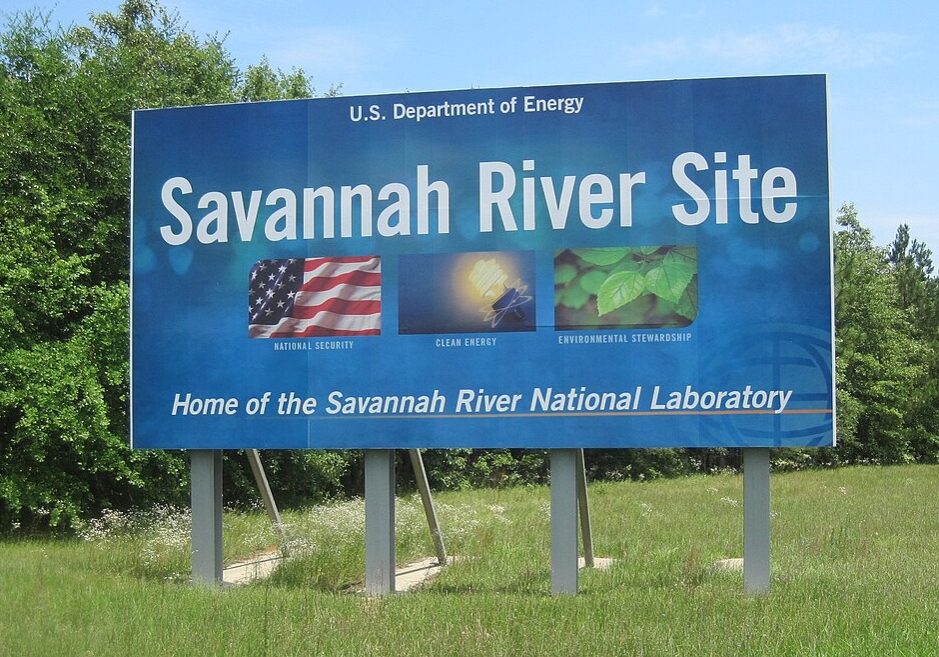
Dangerous plutonium to be offered to private reactor startup companies in an unprecedented move that crosses a non-proliferation line held for decades
In yet another alarming development coming out of the White House, private corporations proposing risky and untested startup reactors are to be given access to plutonium, the trigger component in a nuclear bomb.
A May 27 exposé in the New York Times revealed that the Trump administration is proposing to allow private entities access to Cold War era leftover plutonium in order to convert it into fuel for risky new reactors that have yet to pass any kind of rigorous safety analysis.
The move marks a dangerous commercialization of plutonium and would treat plutonium like a commodity with value, instead of a waste. One of the first companies to benefit is Oklo, on whose board the current Energy secretary, Chris Wright, used to sit and whose stock rose on the announcement.
The plutonium would come from a surplus stockpile of dismantled nuclear warheads. Previous efforts to use plutonium as reactor fuel collapsed due to extreme expense and technical challenges.
Given its sole use as the key component of atomic bombs, any use of plutonium, and especially in the civil sector, would require extreme security measures. Placing this material in the hands of international corporations not only sets a dangerous precedent but, “raises serious weapons proliferation concerns, makes little economic sense, and may adversely affect the nation’s defense posture,” wrote three Democratic members of Congress — Don Beyer of Virginia, John Garamendi of California and Ed Markey of Massachusetts — in a letter last September to the Department of Energy.
The plan to build a plant to fabricate a fuel blend known as mixed-oxide or MOX at the Savannah River Site in Aiken, SC, using uranium and some surplus plutonium, eventually collapsed, partially due to the ever ballooning price tag, which reached $50 billion before the project was abandoned. Part of the extreme costs were due to the myriad technical challenges and the fact that, unlike in France, where a number of reactors can use MOX fuel, no existing US reactors at the time were designed to do so.
MOX also does not materially reduce the plutonium stockpile significantly, since more plutonium is generated during the fissioning in MOX reactors. That waste fuel cannot again be reprocessed — which separates out the plutonium —or repurposed for fresh MOX fuel.
Reuters had originally broken the story last August that the Trump administration was preparing to hand out free plutonium to ingenue reactor developers. “Trying to convert this material into reactor fuel is insanity. It would entail trying to repeat the disastrous MOX fuel program and hoping for a different result,” Edwin Lyman, a nuclear physicist at the Union of Concerned Scientists, told Reuters at the time.
For those with access to the New York Times, read the full story here.
(Headline photo by Bill Golladay/Wikimedia Commons permitted by a Creative Commons Attribution-Share Alike 4.0 International license.)
Support Beyond Nuclear
Help to ensure a safer, greener and more just world for all