Urge Congress to attend!
Beyond Nuclear and Nuclear Information and Resource Service present an expert briefing on nuclear energy and proliferation
Inherent Danger, Unaffordable Power: Energy and nuclear experts warn scrapping safety regulations to power artificial intelligence will deliver high costs and dire safety, climate, and security risks.
When: Tuesday, June 2, 11:30am-1pm
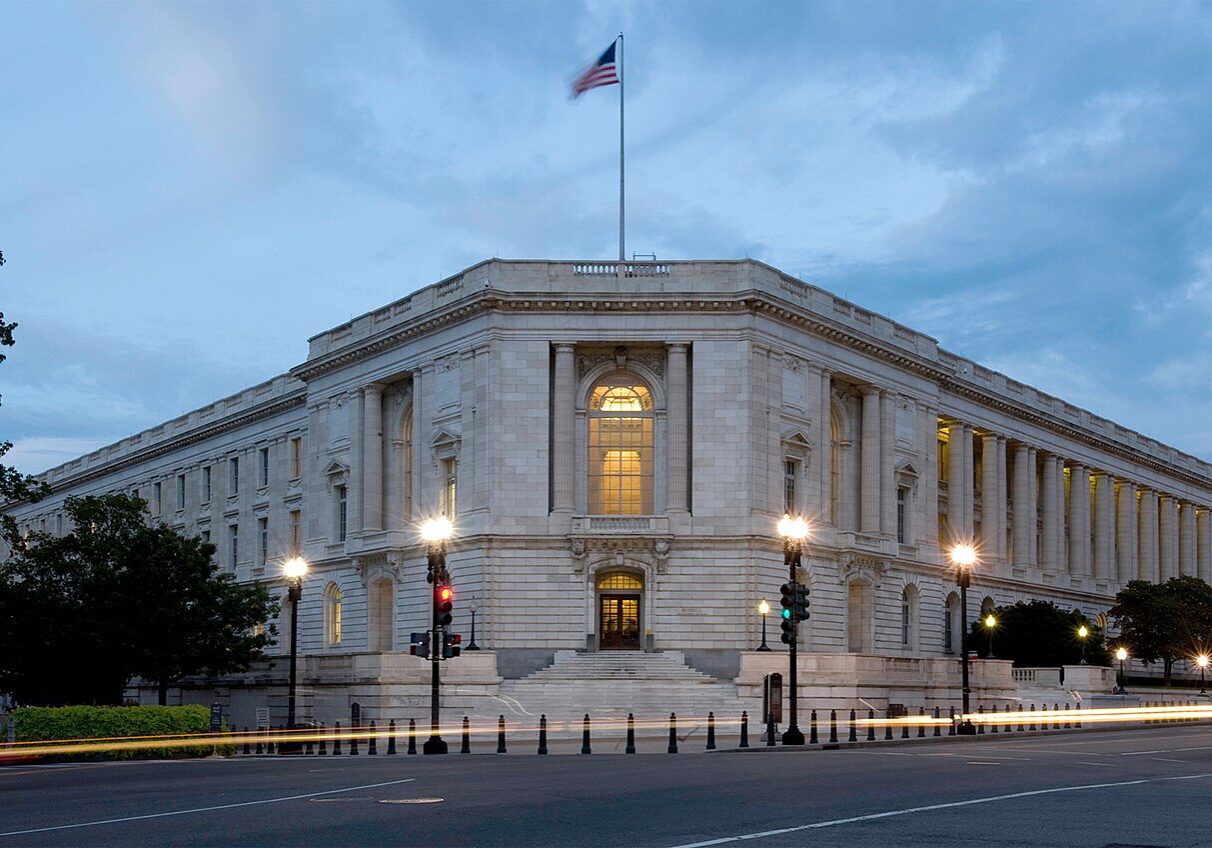
Where: SR-188 (Russell Senate Building, Room 188, 2 Constitution Ave NE, Washington, DC 20002).
Who: Dr. Edwin Lyman, physicist, Union of Concerned Scientists; Peter Bradford, former NRC Commissioner; M.V. Ramana, physicist, University of British Columbia; Diane Curran, attorney, litigator vs. NRC; Joe Romm, physicist; former Department of Energy official; and Sharon Squassoni, George Washington University, former US government official. Closing remarks will be made by Tim Judson, executive director, Nuclear Information & Resource Service; and Paul Gunter, director of the reactor oversight project, Beyond Nuclear. Introductions by Linda Pentz Gunter, executive director, Beyond Nuclear. (For full bios, see end.)
Nuclear power is unaffordable, dangerous, too slow to address energy supply needs and the climate crisis and closely linked to the nuclear weapons sector. But the nuclear power industry, with the full backing of the Trump White House, is promising a second nuclear renaissance, despite the abject failure of the first. Worse are the dangerous and, in some cases illegal, measures they are taking to rubber-stamp reactor designs and fast-track nuclear expansion.
Driven almost entirely by the energy-guzzling AI sector, cryptocurrency mining and supersized data centers, this so-called renaissance is also dependent on the dangerous deregulation of nuclear safety oversight. This includes scrapping safety regulations and drastically curtailing the authority and independence of the US Nuclear Regulatory Commission in the rush to build new nuclear power plants cheaply and fast.
Meanwhile, civil nuclear reactors are also now being prepared for use by the military, including to power kinetic and AI-based weapons systems, while skimping on safety features, further blurring the line between the two sectors and endangering the public.
Six experts from the scientific, legal, non-proliferation, regulatory and climate sectors will address the looming high costs and public safety risks posed by nuclear safety and security deregulation.
Questions from the audience will be welcome. The event will be video recorded.
Peter Bradford will address the implications of the further loss of independence at NRC, an already compromised regulator. Diane Curran will show how the by-passing of environmental laws, including the National Environmental Policy Act and the Atomic Energy Act ignore the realities of climate change and the greater likely risk of a severe nuclear accident. Ed Lyman will sound the alarm about the implications for public safety from the end run around safety regulations and the fallacies of “inherently safe” fast reactors. M.V. Ramana will dispel the myths that deregulating nuclear power is what will solve the high costs, delays, and failure rates, and why betting on small modular and “advanced” reactors is likely to backfire. Joe Romm will address how the nuclear renaissance is being driven by the demand for power for AI data centers and how blocking renewables is part of the strategy to expedite nuclear power development. Sharon Squassoni will highlight the associated proliferation risks tied to the plans for export of “advanced” reactors and the militarization of the civil nuclear sector.
Speaker bios (alphabetical)
Peter Bradford is a former member of the United States Nuclear Regulatory Commission and former chair of the New York and Maine utility regulatory commissions, Peter Bradford has taught courses on energy policy and nuclear power at the Yale School of the Environment and at Vermont Law School.
Diane Curran is one of the country’s leading environmental and nuclear safety advocates, and has won significant safety and environmental protection measures before the U.S. Nuclear Regulatory Commission (NRC) and federal courts, on behalf of state and local governments, citizen groups, and individuals.
Edwin Lyman is the director of nuclear power safety at the Union of Concerned Scientists in Washington, DC. He has been with UCS since 2003. He has a PhD in physics from Cornell. He is a coauthor of the 2014 book Fukushima: The Story of a Nuclear Disaster, published by the New Press.
Sharon Squassoni is a research professor at the George Washington University, co-founder of the Climate Security Initiative, and a former USG official. She is an expert in nuclear energy and its proliferation risks and in nuclear weapons arms control and nonproliferation.
M.V. Ramana is the Simons Chair in Disarmament, Global and Human Security and Professor at the School of Public Policy and Global Affairs, University of British Columbia, Vancouver, Canada. He is the author of “Nuclear is not the Solution: The Folly of Atomic Power in the Age of Climate Change” (Verso books, 2024).
Joe Romm is a physicist, author, and prominent climate change communicator who served in the U.S. Department of Energy during the Clinton administration. Currently, he is a Senior Research Fellow at the University of Pennsylvania.
(Headline photo of Russell Senate building by US Capitol/Wikimedia Commons)
Support Beyond Nuclear
Help to ensure a safer, greener and more just world for all