News
“Milestone” reactor is likely US’s last
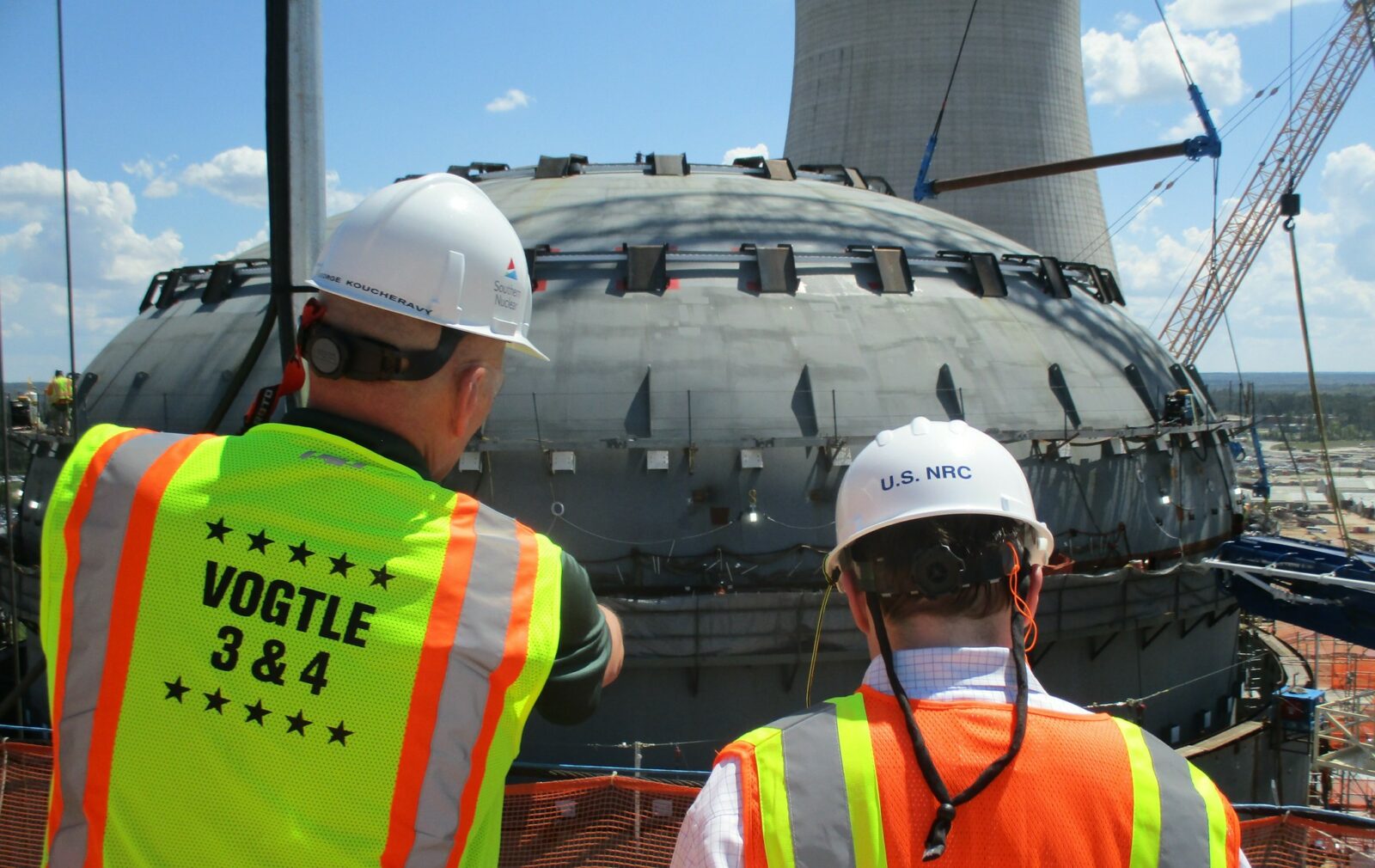
The AP 1000 Vogtle Unit 3 reactor in Georgia, 16 years in the making, became officially operational this week after several technical setbacks earlier this year had caused it to start up and power down again. The moment of commercial operation has been heralded in headlines and by the nuclear industry as a “milestone” but…
Read More65 groups resist DOE’s HALEU availability program
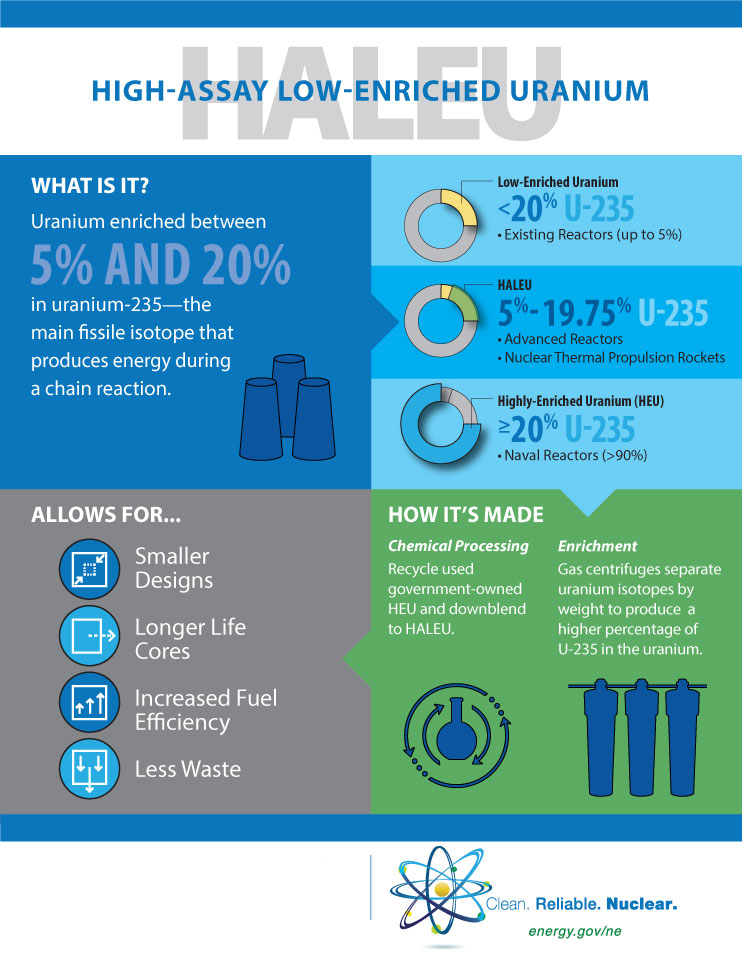
65 organizations, including Beyond Nuclear, commented on the U.S. Department of Energy’s (DOE) High-Assay Low-Enriched Uranium (HALEU) program. They expressed deep concerns about: environmental contamination of already heavily-contaminated low-income communities, as in and around Portsmouth, Ohio; nuclear weapons proliferation risks; etc. See the coalition comment letter, here. The letter was spearheaded by attorney Terry Lodge,…
Read MoreMassachusetts says ‘no’ to tritium discharge into bay
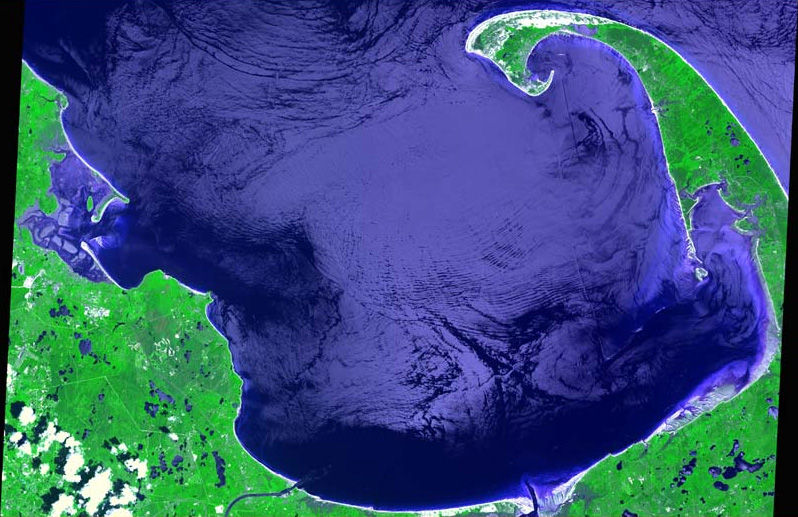
From the Associated Press: Massachusetts environmental regulators have denied a request by the company dismantling a shuttered nuclear power plant to release more than 1 million gallons (3.8 million liters) of radioactive wastewater into Cape Cod Bay. The state Department of Environmental Protection’s draft decision issued Monday said it denied Holtec’s request for a permit…
Read MoreSetting the record straight on tritium
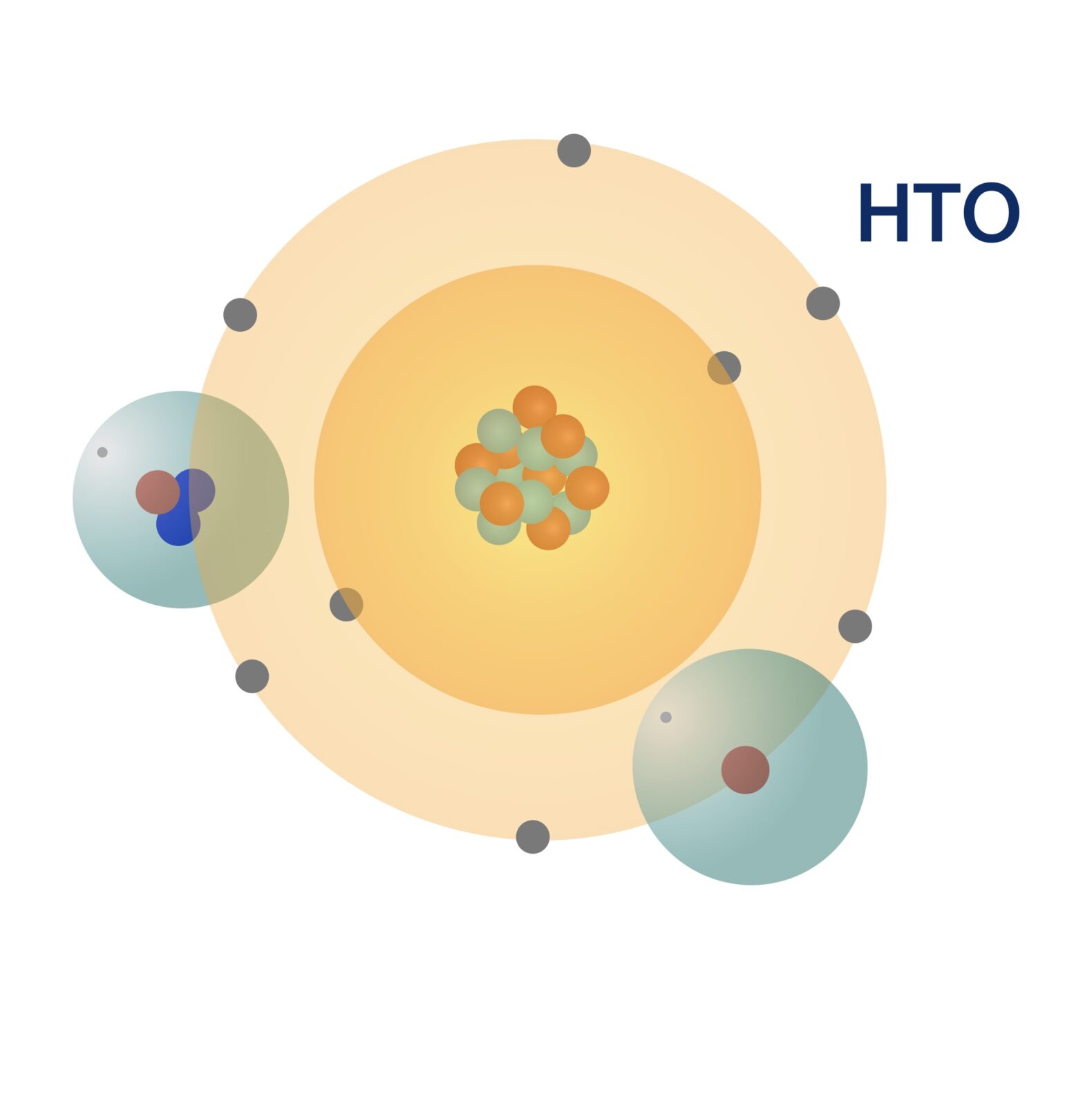
In an opinion piece published in the Washington Post, Cindy Folkers, Radiation and Health Hazard Specialist of Beyond Nuclear, points out that tritium is not as safe as industry proponents claim it is, highlighting a recent paper by Mousseau and Todd, which found that tritium can have significant impacts when taken into the body, making…
Read MoreNew Mexico: Radioactive catastrophe commemorations
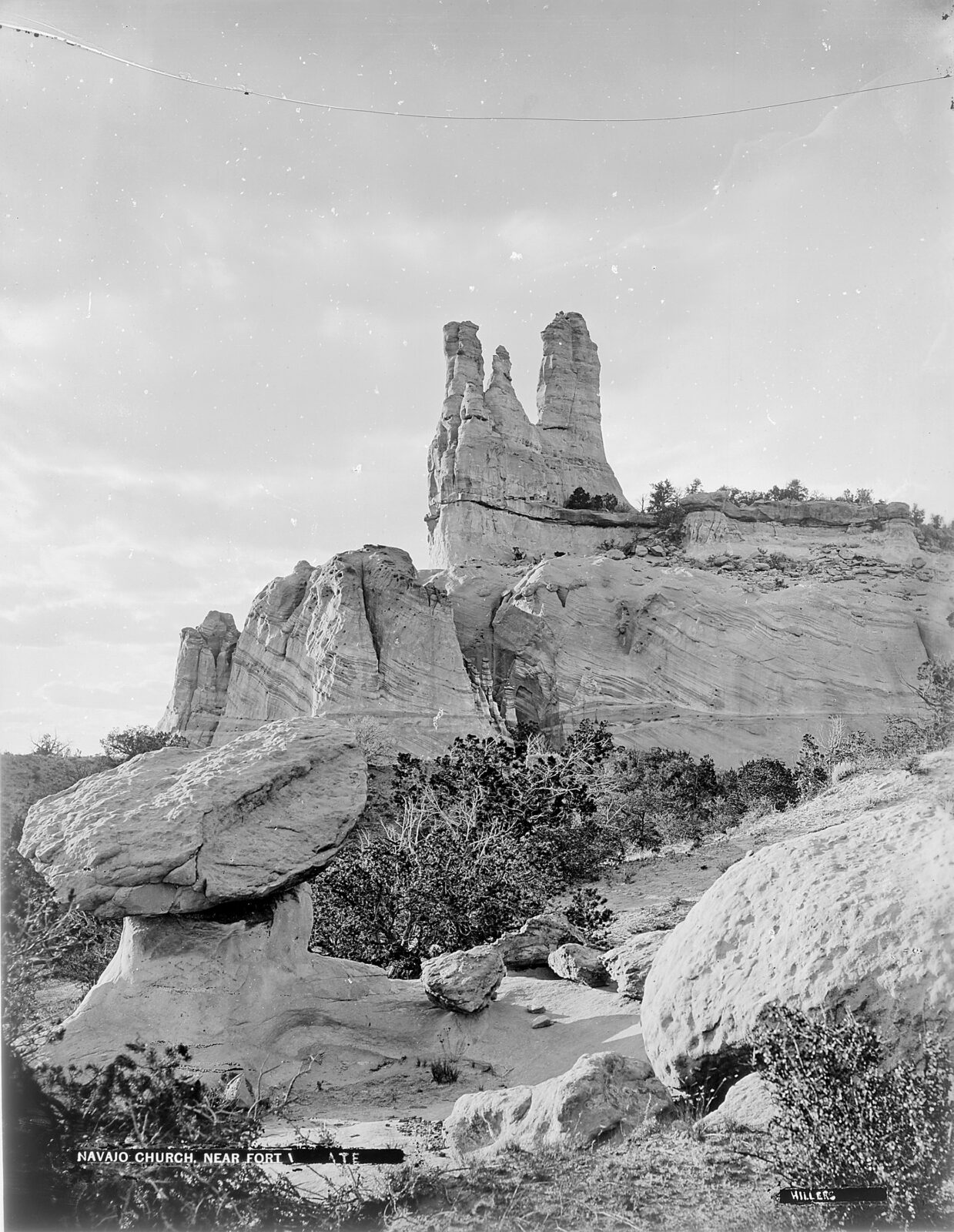
Beyond Nuclear was honored to participate in both the Church Rock uranium spill (July 16, 1979) and Trinity atomic bomb blast (July 16, 1945) commemorations last weekend in New Mexico. At the Red Water Pond Road Community on the Church Rock Chapter of the Navajo/Diné Nation, Beyond Nuclear joined many other groups in co-sponsoring, and…
Read MoreQuestions linger as EU lifts curbs on Japanese food imports

In a quid-pro-quo, the EU agreed to lift Japanese food restrictions, initially instituted in the wake of the ongoing Fukushima nuclear disaster. The EU is hoping Japan reciprocates by easing controls of its own on EU farm goods. The timing is suspicious, given Japan’s threat to release radioactively contaminated water from the ruined Fukushima nuclear…
Read MoreThe baloney about bananas

We often hear those in the business of pro-nuclear propaganda claiming that living around a nuclear power plant is less harmful than eating bananas — which contain a version of radioactive potassium (K-40). At the same time, nuclear advocates assert that releasing tritium (radioactive hydrogen) into the environment is harmless to human health. But this…
Read MorePalisades Nuclear Watchdogs to Gov. Whitmer: Freeze $150 Million Legislature Approved for Unprecedented Reactor Restart on June 28
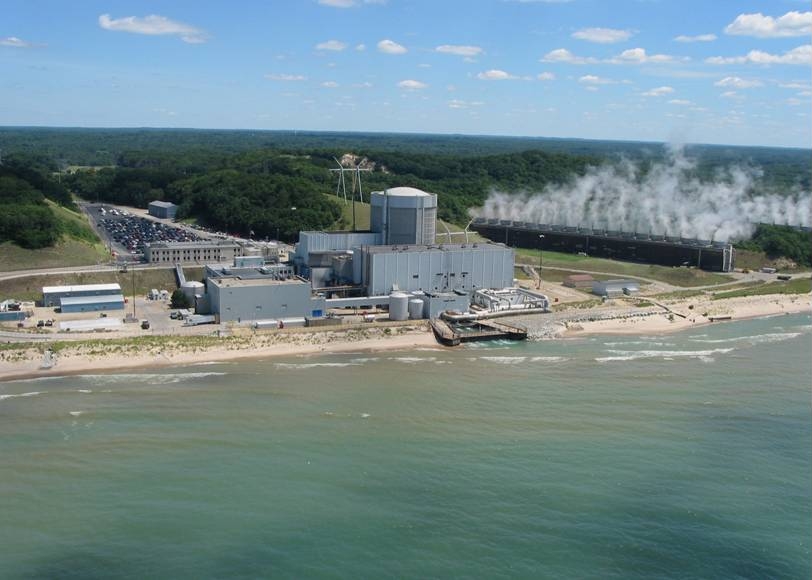
NEWS FROM BEYOND NUCLEAR For immediate release Contact: Kevin Kamps, radioactive waste specialist, Beyond Nuclear, (240) 462-3216, [email protected] Terry Lodge, Legal Counsel, (419) 205-7084, [email protected] Michael Keegan, Co-Chair, Don’t Waste Michigan, (734) 770-1441, [email protected] Palisades Nuclear Watchdogs to Gov. Whitmer: Freeze $150 Million Legislature Approved for Unprecedented Reactor Restart on June 28th Fired Holtec CFO…
Read More“Milestone” reactor still at zero power
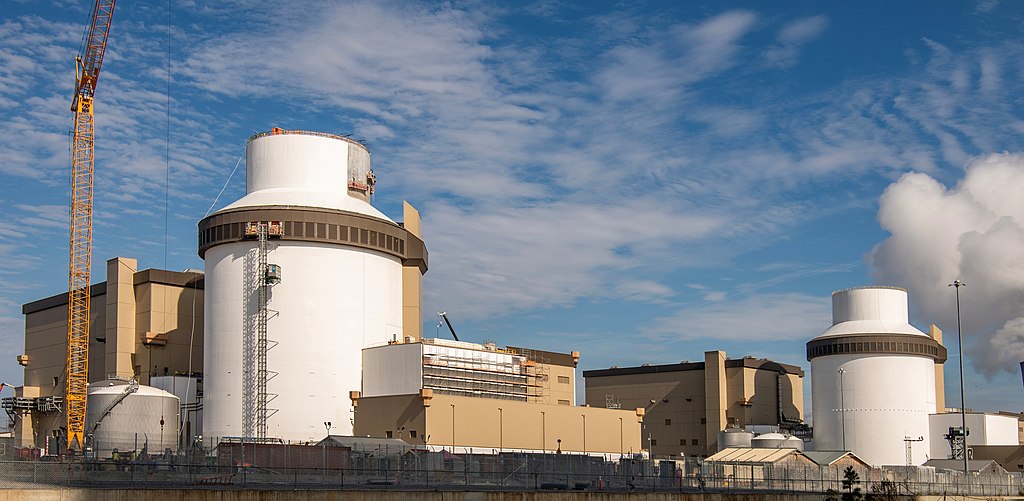
The Vogtle-3 nuclear reactor in Georgia, which was hailed as a “milestone” in nuclear power advancement when it first went critical in March, is still at zero power. Two days after that March 14 “milestone”, Vogtle-3 was automatically shut down after reaching just 18 percent power before encountering an electrical issue that caused the loss…
Read MoreWatch Tritium Truths: Facts vs. Deceptions

Given the plans to dump tritium into Cape Cod Bay from Pilgrim, the dumping of tritium from Indian Point into the Hudson, the history of batch releases and leaks from Braidwood, the proposed release from Los Alamos, and the plan to dump the Fukushima tritiated water into the Pacific, we have put together a short…
Read More