Latest News
Senate expands Trinity Downwinder compensation
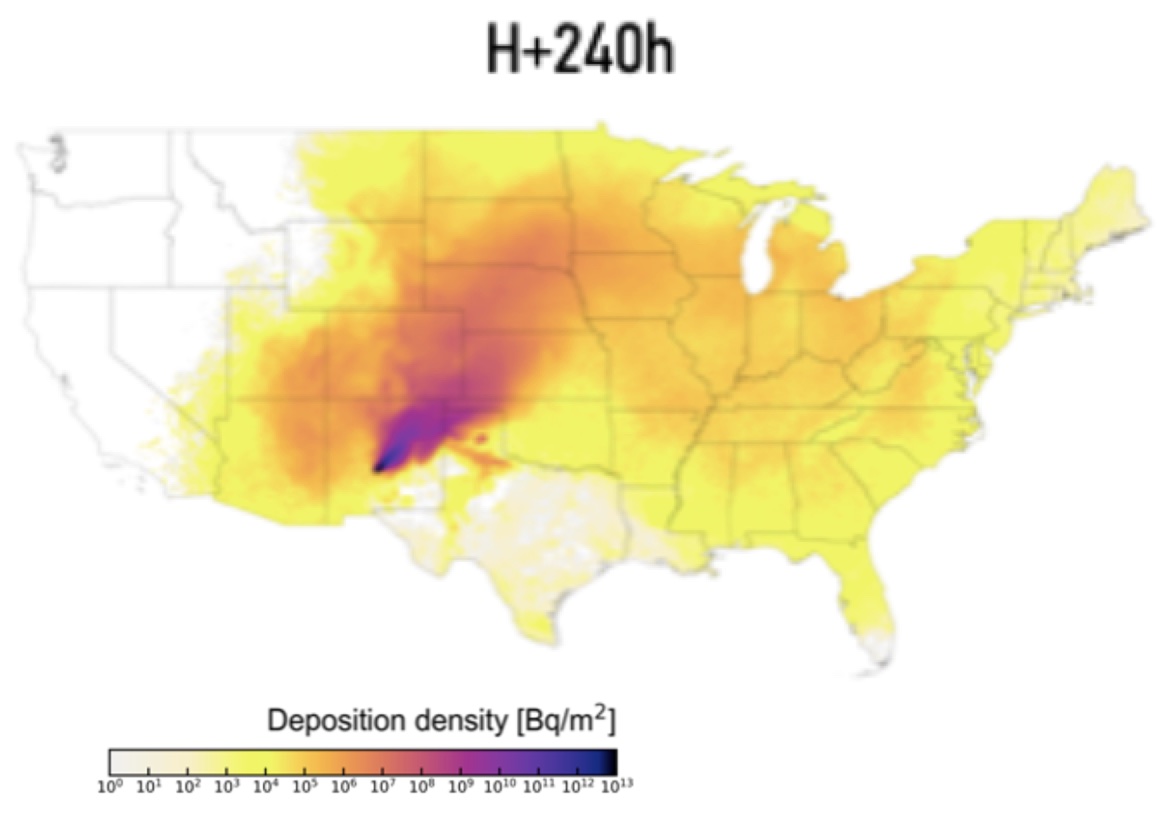
Almost 80 years after the first atomic bomb, Trinity, was detonated near an unsuspecting population , health impacts continue and remain largely unrecognized (NYT paywalled) at the national level. While other victims of atomic testing fallout have been compensated, the Trinity Downwinders have not. “Today’s Senate vote is a step in the right direction toward…
Read MoreCOMMENTS ON COLUMBIA CLASS HOMEPORTING EA/KINGS BAY TRIDENT SUBMARINE BASE
Beyond Nuclear, along with many other organizations and individuals, signed onto comments prepared by Nuclear Watch South, in regards to COLUMBIA CLASS [TRIDENT NUCLEAR SUBMARINE] HOMEPORTING EA [ENVIRONMENTAL ASSESEEMENT]/KINGS BAY TRIDENT SUBMARINE BASE. See the comments, and full list of signatories, here. Attorney Terry Lodge, legal counsel for the Ohio Nuclear-Free Network, also submitted comments.…
Read More65 groups resist DOE’s HALEU availability program
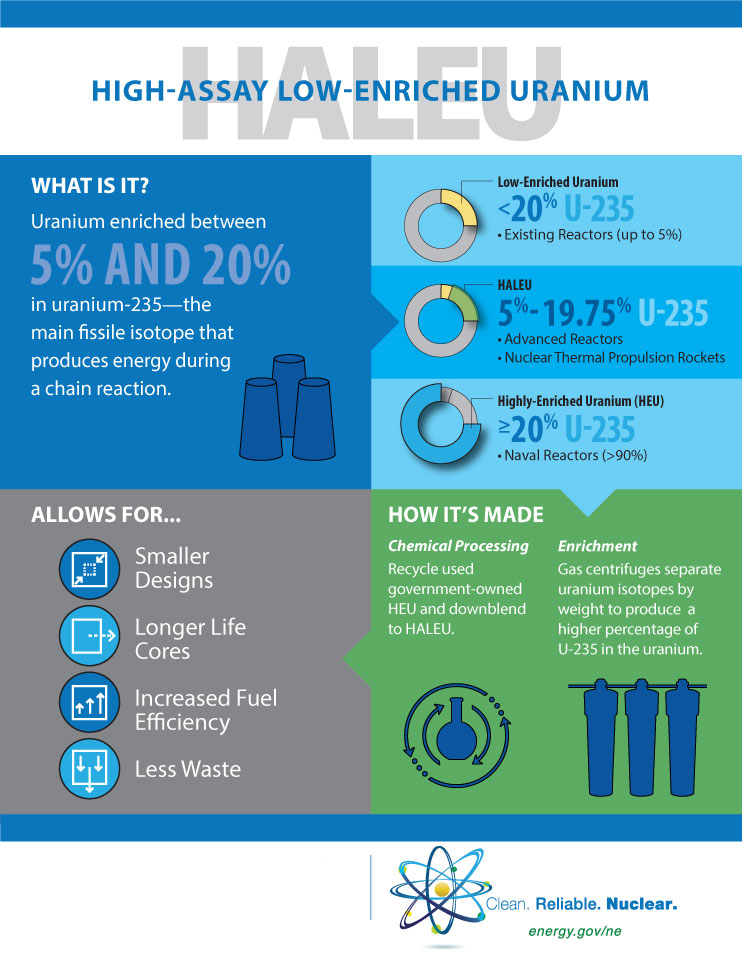
65 organizations, including Beyond Nuclear, commented on the U.S. Department of Energy’s (DOE) High-Assay Low-Enriched Uranium (HALEU) program. They expressed deep concerns about: environmental contamination of already heavily-contaminated low-income communities, as in and around Portsmouth, Ohio; nuclear weapons proliferation risks; etc. See the coalition comment letter, here. The letter was spearheaded by attorney Terry Lodge,…
Read MoreMassachusetts says ‘no’ to tritium discharge into bay
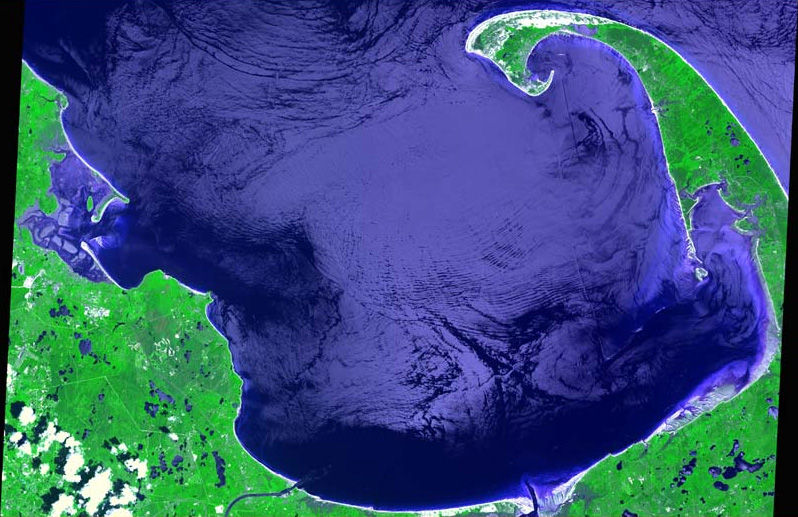
From the Associated Press: Massachusetts environmental regulators have denied a request by the company dismantling a shuttered nuclear power plant to release more than 1 million gallons (3.8 million liters) of radioactive wastewater into Cape Cod Bay. The state Department of Environmental Protection’s draft decision issued Monday said it denied Holtec’s request for a permit…
Read MoreSetting the record straight on tritium
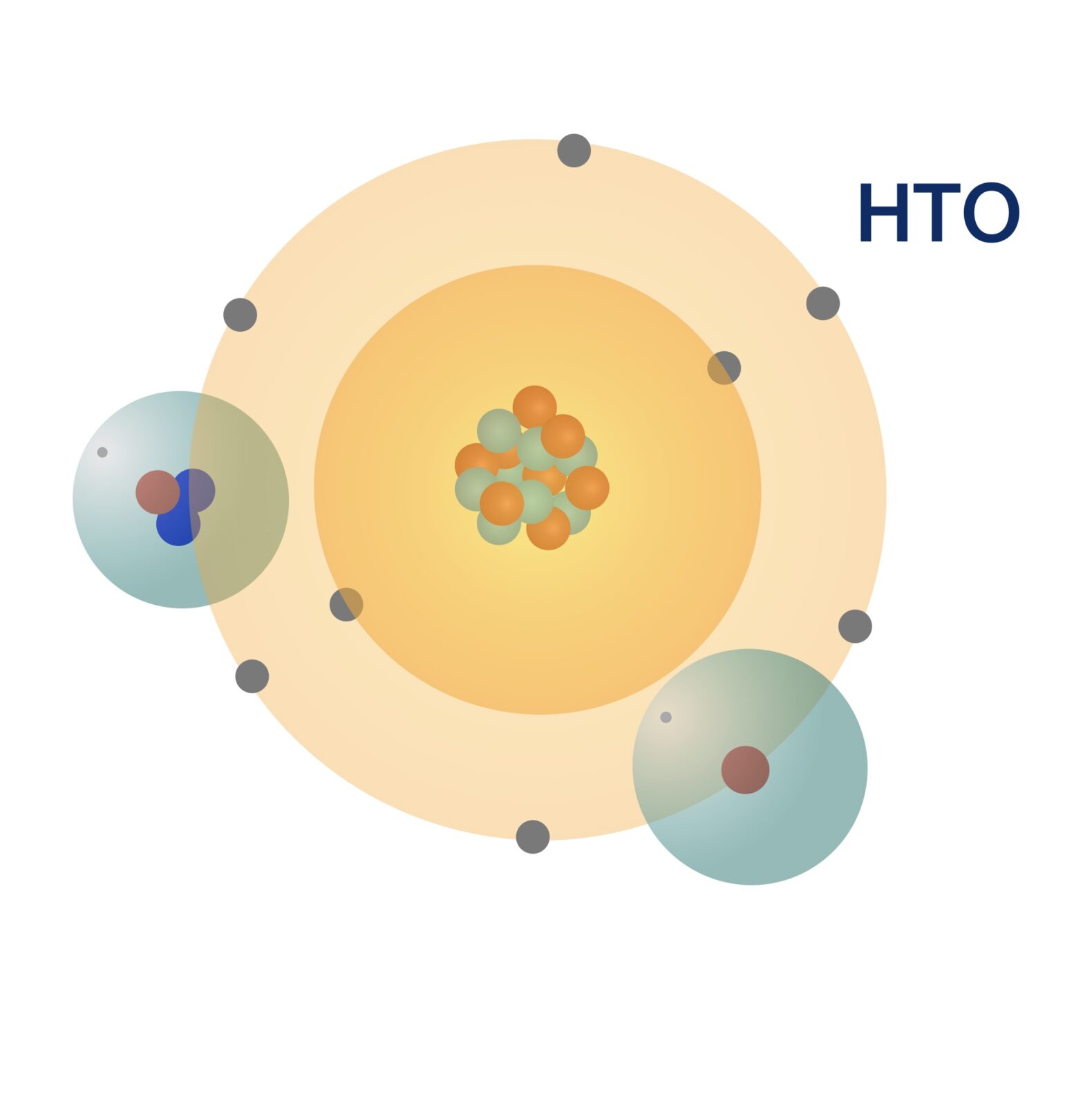
In an opinion piece published in the Washington Post, Cindy Folkers, Radiation and Health Hazard Specialist of Beyond Nuclear, points out that tritium is not as safe as industry proponents claim it is, highlighting a recent paper by Mousseau and Todd, which found that tritium can have significant impacts when taken into the body, making…
Read MoreTrinity fallout hit 46 states, Mexico, Canada
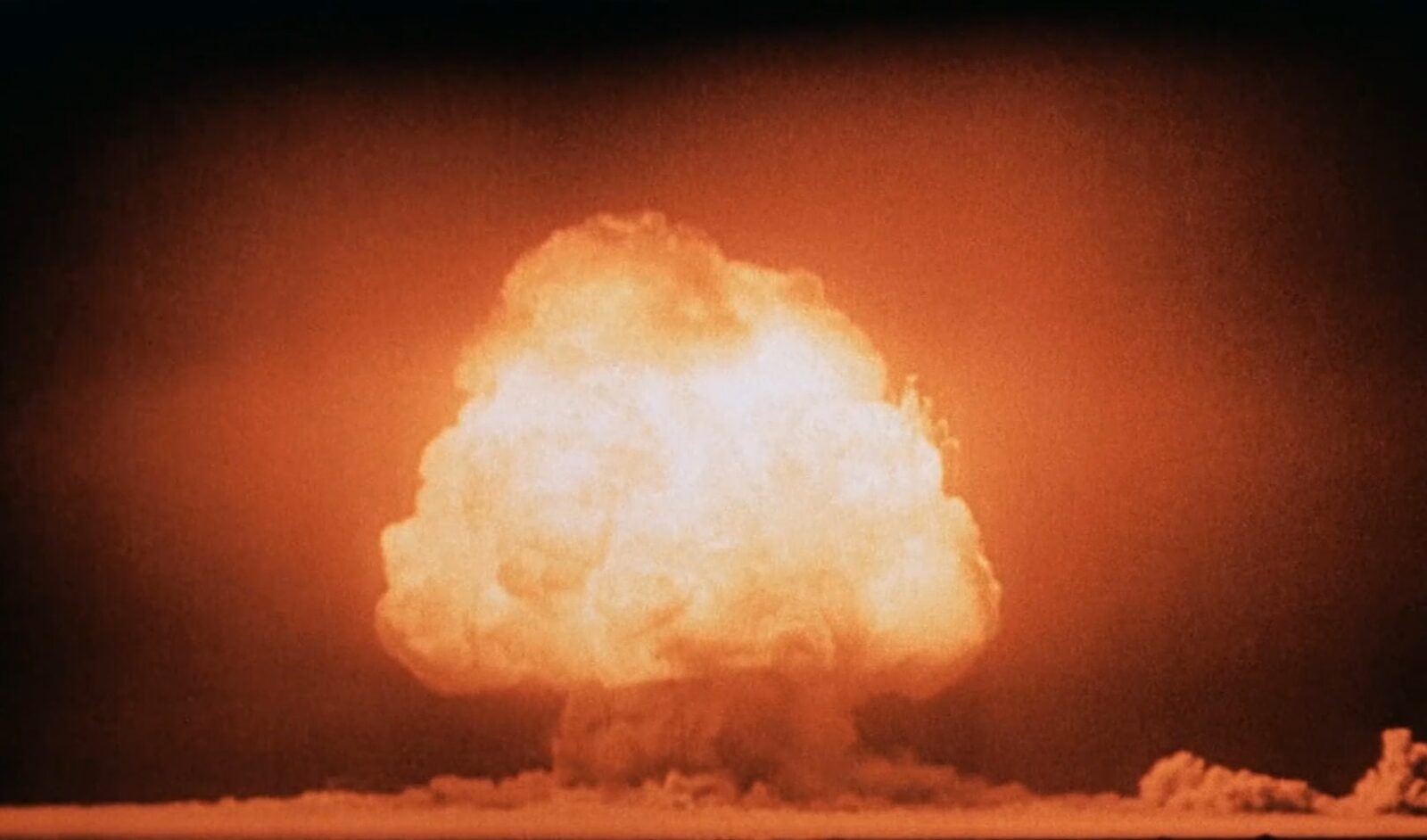
New research, conducted by Princeton University’s Program on Science and Global Security, finds that Trinity atomic fallout reached 46 states, Mexico and Canada within 10 days of detonation in 1945. The hourly reconstruction of blast fallout shows that it was much larger than anticipated and the radioactive mushroom cloud traveled higher in the atmosphere than…
Read More“Zero trust”: St. Louis nuclear coverups
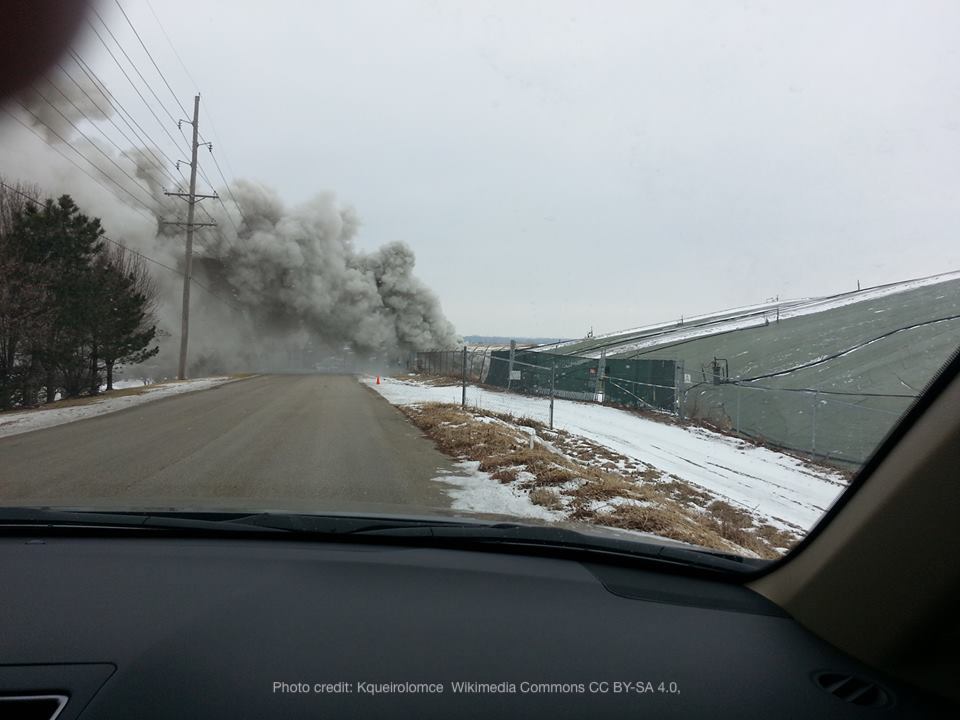
A Freedom of Information Act Request regarding Manhattan Project and Cold War radioactive contamination at numerous sites across the St. Louis region garnered some 15,000 pages of documents. A collaboration between AP, MuckRock, and Missouri Independent analyzed them, resulting in major coverage. Disregard for worker and public health by officials at the Atomic Energy Commission,…
Read MoreNew Mexico: Radioactive catastrophe commemorations
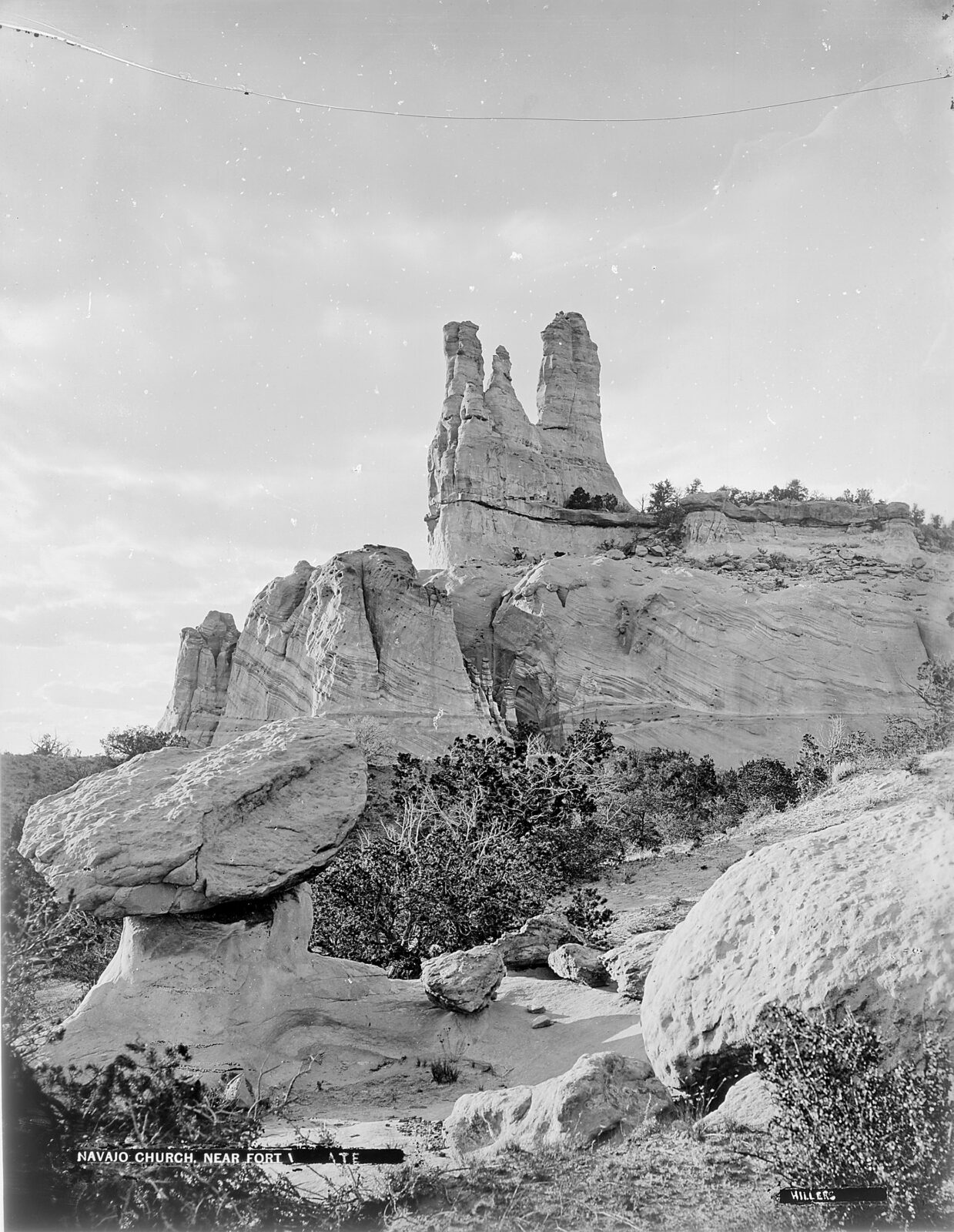
Beyond Nuclear was honored to participate in both the Church Rock uranium spill (July 16, 1979) and Trinity atomic bomb blast (July 16, 1945) commemorations last weekend in New Mexico. At the Red Water Pond Road Community on the Church Rock Chapter of the Navajo/Diné Nation, Beyond Nuclear joined many other groups in co-sponsoring, and…
Read MoreDestroyer of worlds: Avoiding Oppenheimer’s prediction
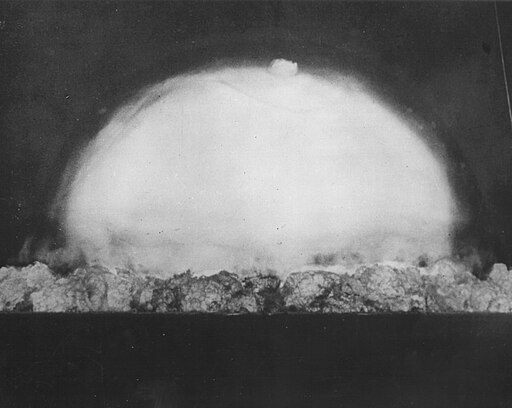
With the film, Oppenheimer, being widely heralded by the media, and as we remember the first explosion of a nuclear device, the July 16, 1945 Trinity test in New Mexico, can the nuclear genie first unleashed by the Manhattan Project be put back in the bottle? Beyond Nuclear board member, Karl Grossman, argues that it…
Read MoreChurch Rock remembered
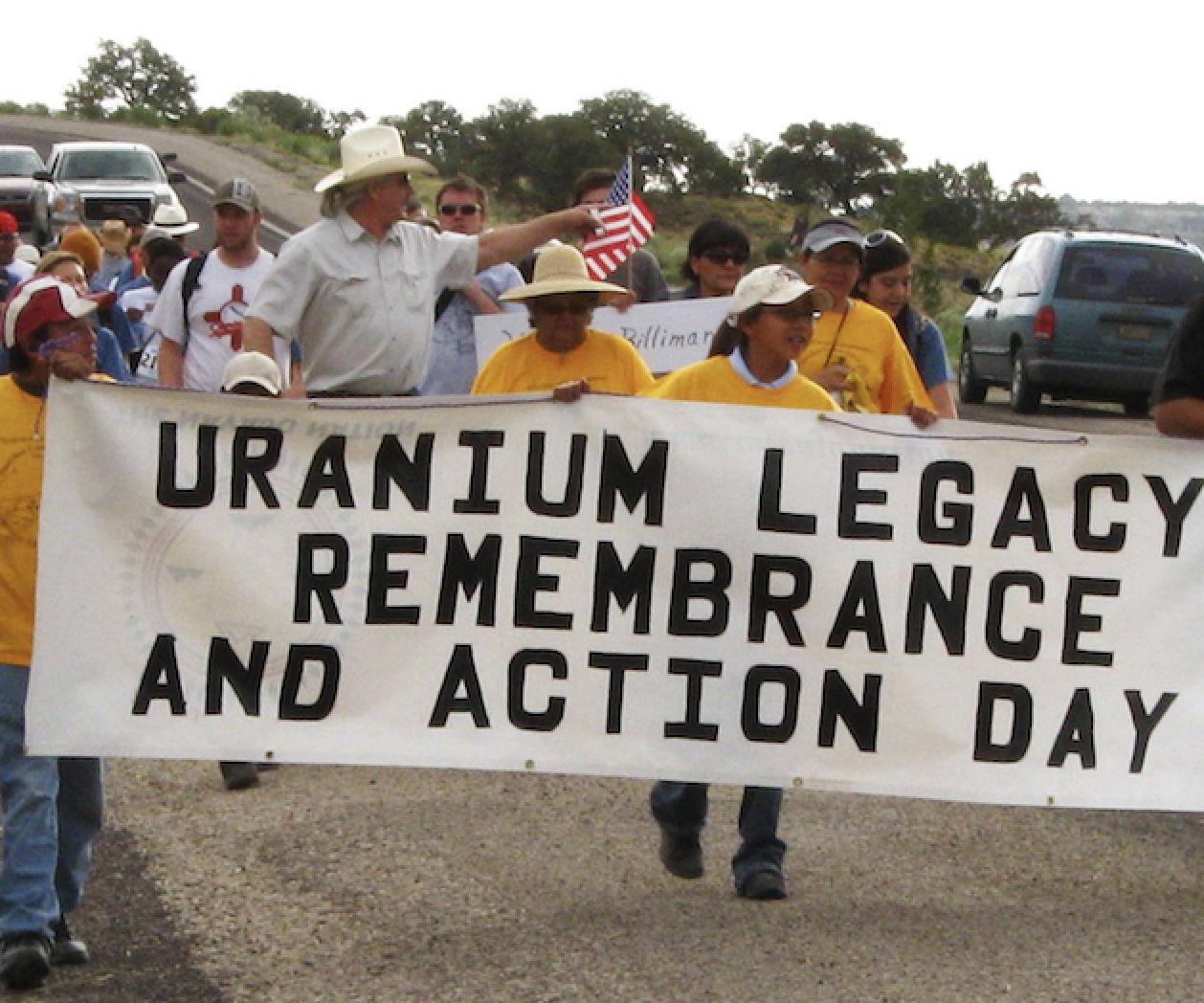
On this week’s Nuclear Hotseat, Libbe HaLevy replays interviews with individuals affected by the July 16, 1979 Church Rock uranium mill disaster. On that day, the Navajo Nation suffered the worst radioactive materials spill in US history — 90-million gallons of uranium mining waste and eleven hundred tons of solid mill waste that burst through…
Read More