Updates & Studies
Weaponizing uranium: Join the webinar

Inspired by International Physicians for the Prevention of Nuclear War’s (IPPNW) Mombasa World Congress, please join the US affiliate, Physicians for Social Responsibility, on Wednesday, August 23rd to discuss the legacy of uranium and the ways it has been weaponized to cause disproportionate and irreparable harm to Black, brown and Indigenous communities around the world.…
Read MoreInherited damage from France’s nuclear tests in Polynesia?

For 30 years, France undertook nuclear testing in its Pacific territory, French Polynesia. There were a total of 193 nuclear tests, including 41 atmospheric, that ended in 1996. These tests exposed the local population. Recent reporting by Al Jazeera focuses on the health impacts. Investigations by one of the same researchers who just released a…
Read MoreACT NOW for Downwinders!
While other victims of atomic testing have been compensated, the Trinity Downwinders have not. Now that the U.S. Senate has passed a historic expansion and extension of the Radiation Exposure Compensation Act (RECA), meant to compensate Trinity Downwinders and others, we need to ask the U.S. House to do the same. As passed in the…
Read MoreSIGN UP: Autumn classes on radiation basics!

Cindy Folkers (Beyond Nuclear) and Mary Olson (Gender and Radiation Impact Project) are again offering their course on radiation basics with guest presenter, Ian Fairlie. RADIATION BASICS (5 classes) THURSDAYS from SEPTEMBER 7- OCTOBER 5 Noon ET / 11 am CT / 10 am MT / 9 am PT Topics Covered: What is radiation? Cancer…
Read MoreSenate expands Trinity Downwinder compensation
Almost 80 years after the first atomic bomb, Trinity, was detonated near an unsuspecting population , health impacts continue and remain largely unrecognized (NYT paywalled) at the national level. While other victims of atomic testing fallout have been compensated, the Trinity Downwinders have not. “Today’s Senate vote is a step in the right direction toward…
Read MoreSetting the record straight on tritium
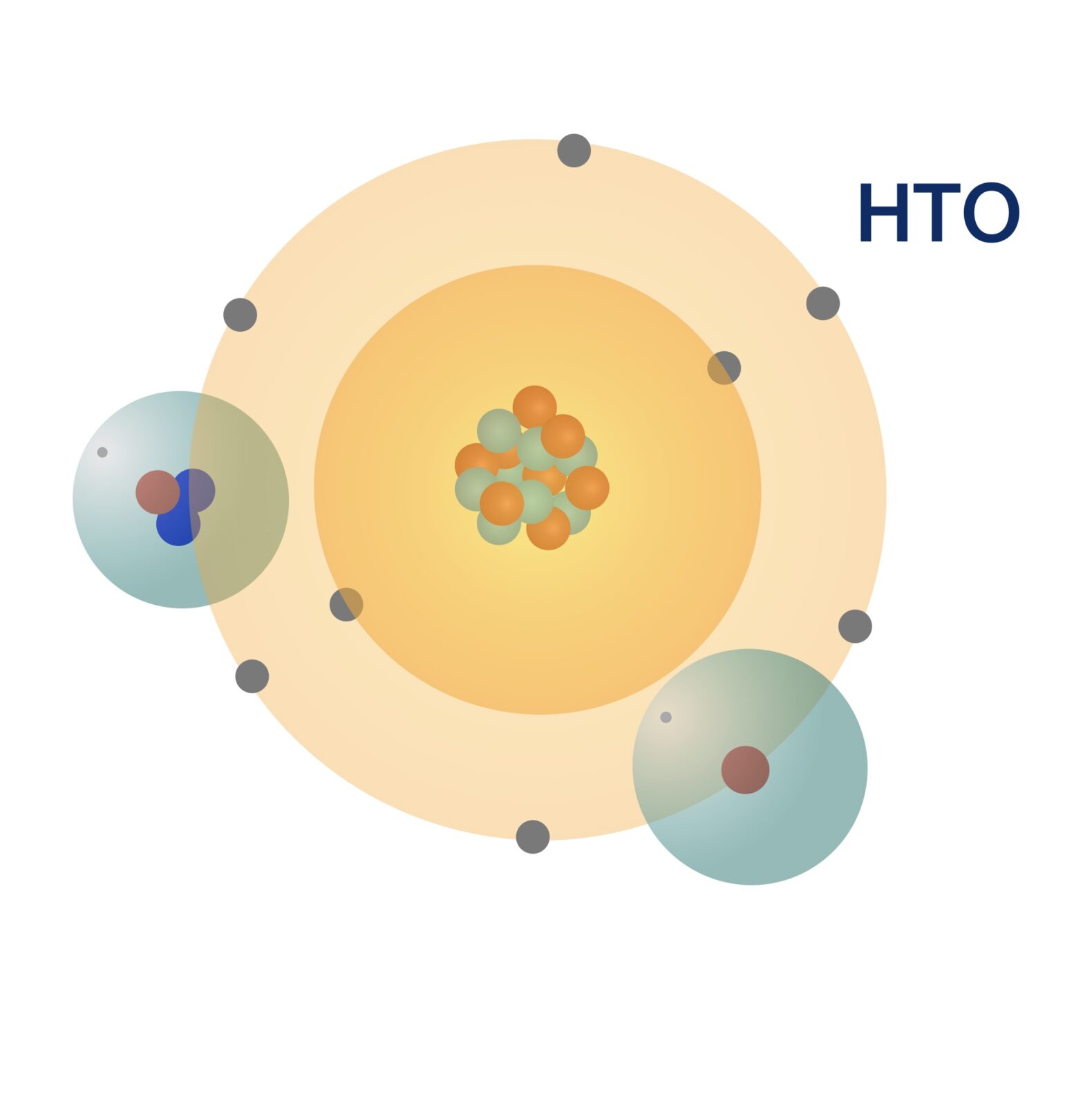
In an opinion piece published in the Washington Post, Cindy Folkers, Radiation and Health Hazard Specialist of Beyond Nuclear, points out that tritium is not as safe as industry proponents claim it is, highlighting a recent paper by Mousseau and Todd, which found that tritium can have significant impacts when taken into the body, making…
Read MoreTrinity fallout hit 46 states, Mexico, Canada
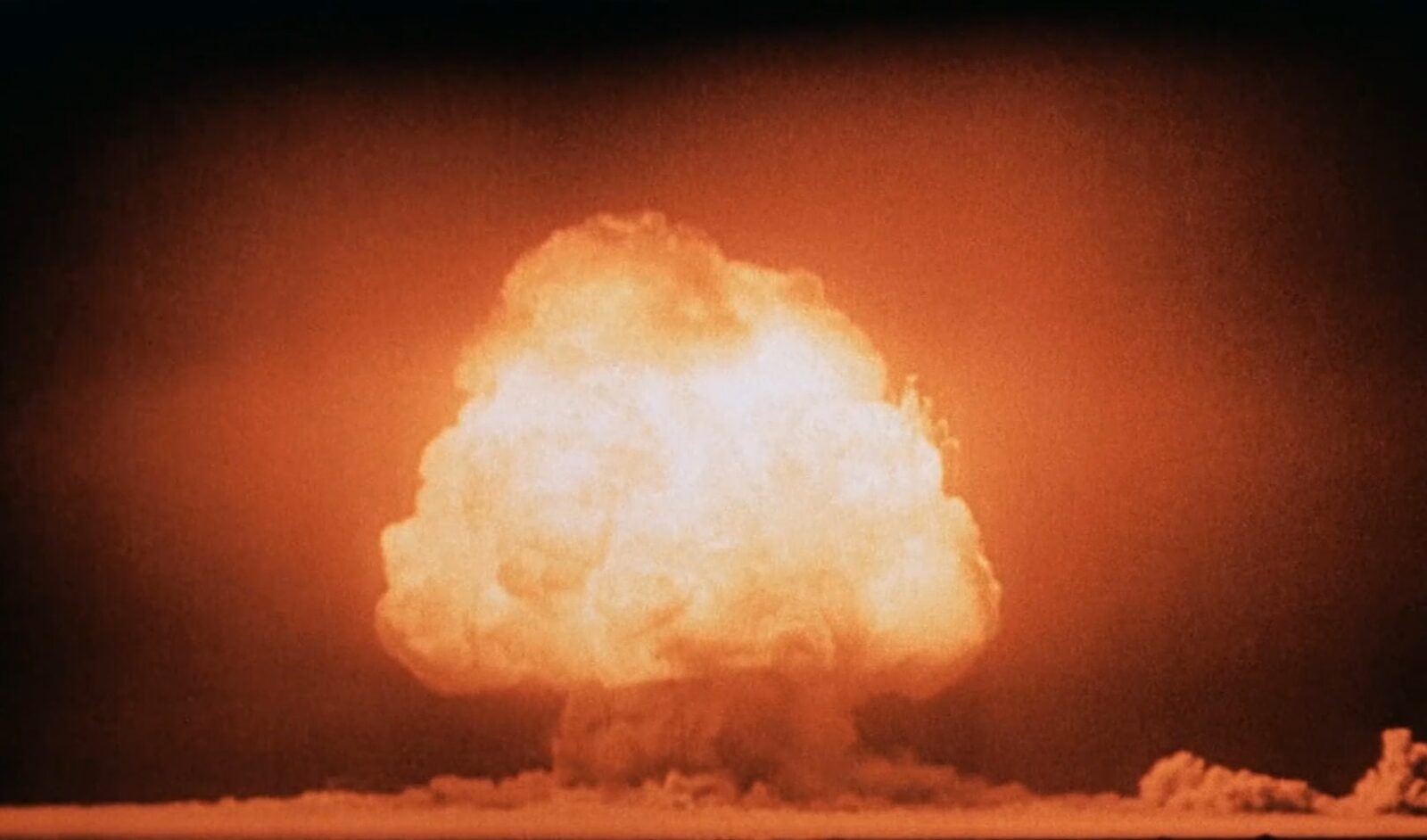
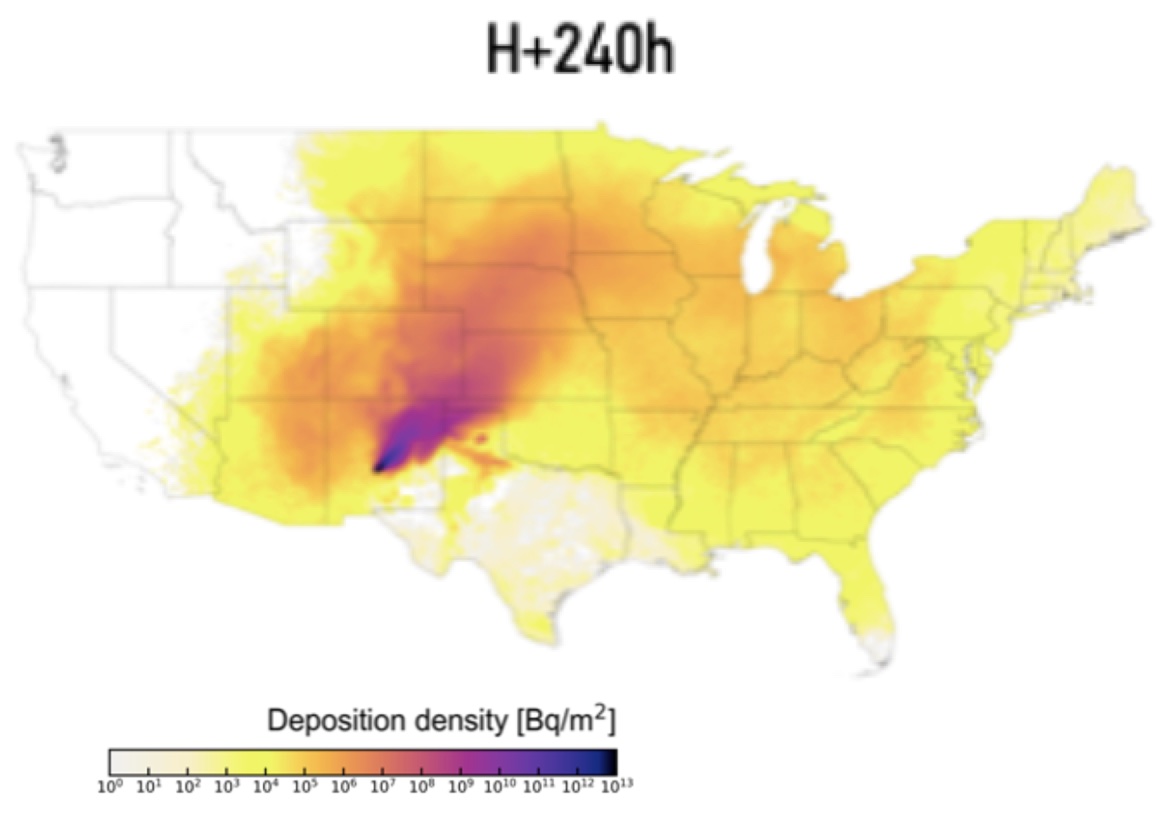
New research, conducted by Princeton University’s Program on Science and Global Security, finds that Trinity atomic fallout reached 46 states, Mexico and Canada within 10 days of detonation in 1945. The hourly reconstruction of blast fallout shows that it was much larger than anticipated and the radioactive mushroom cloud traveled higher in the atmosphere than…
Read More“Zero trust”: St. Louis nuclear coverups
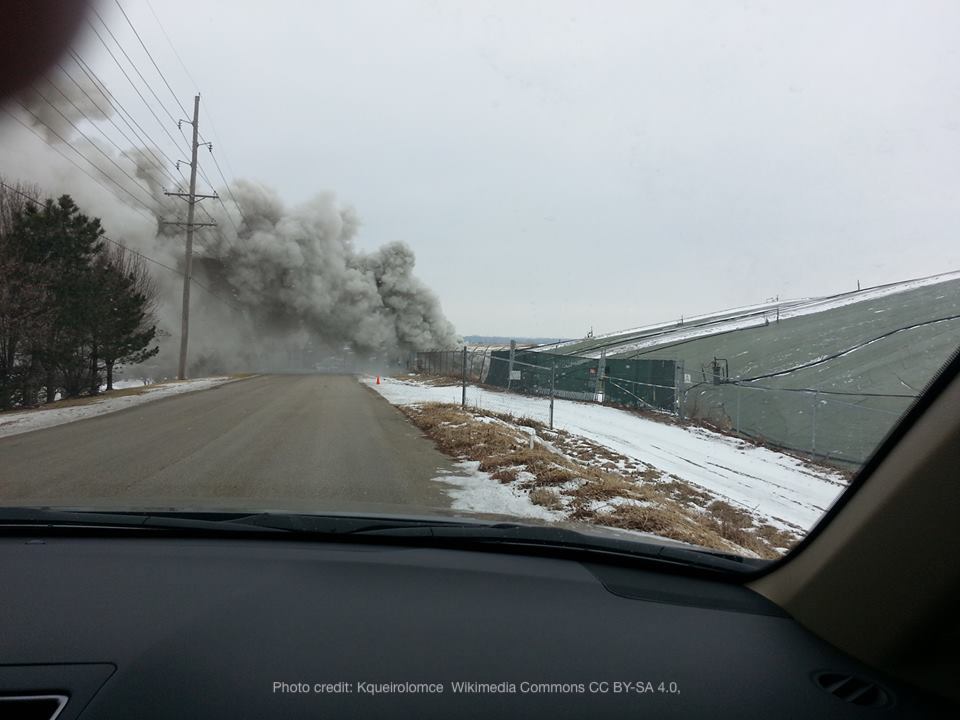
A Freedom of Information Act Request regarding Manhattan Project and Cold War radioactive contamination at numerous sites across the St. Louis region garnered some 15,000 pages of documents. A collaboration between AP, MuckRock, and Missouri Independent analyzed them, resulting in major coverage. Disregard for worker and public health by officials at the Atomic Energy Commission,…
Read MoreNew Mexico: Radioactive catastrophe commemorations
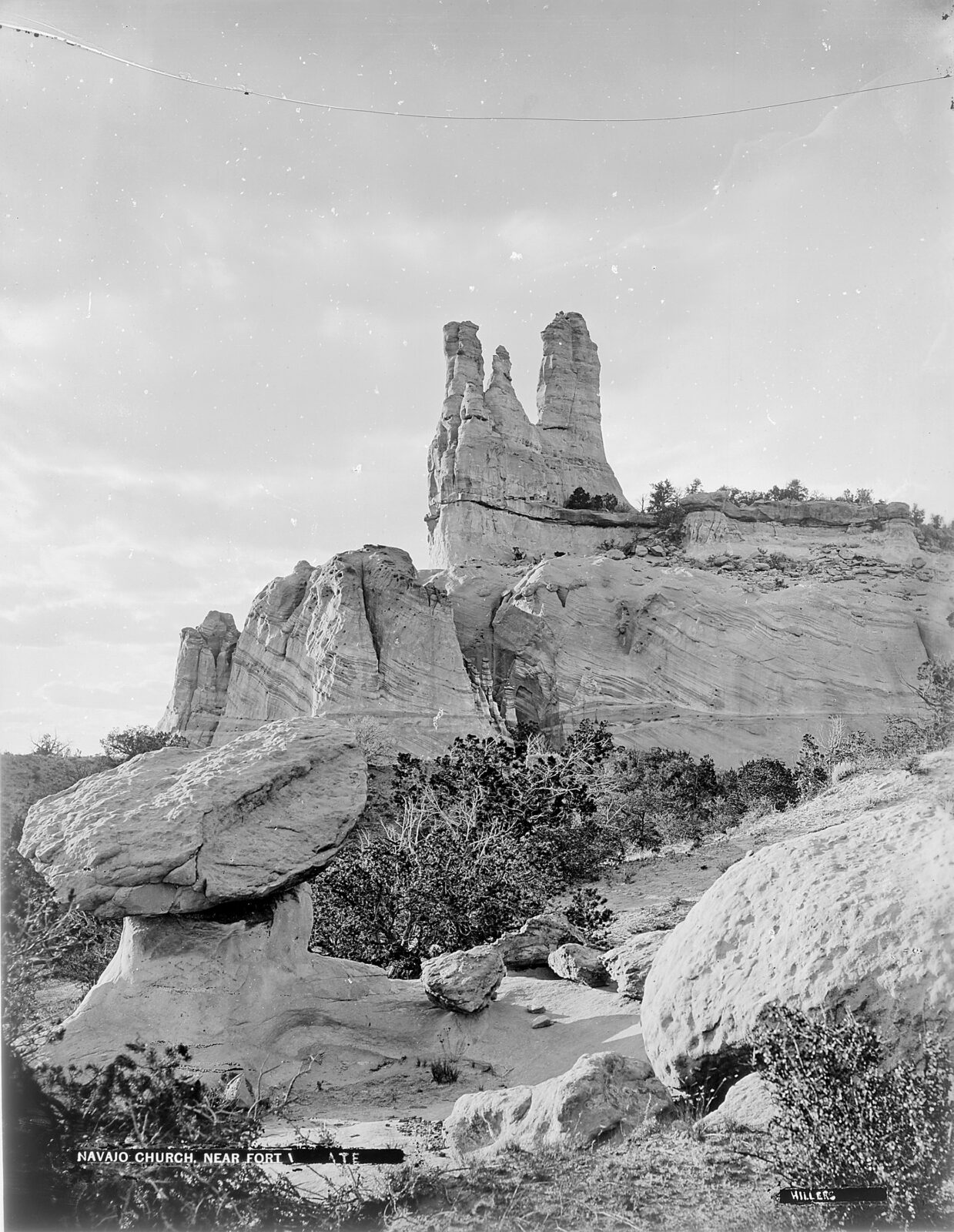
Beyond Nuclear was honored to participate in both the Church Rock uranium spill (July 16, 1979) and Trinity atomic bomb blast (July 16, 1945) commemorations last weekend in New Mexico. At the Red Water Pond Road Community on the Church Rock Chapter of the Navajo/Diné Nation, Beyond Nuclear joined many other groups in co-sponsoring, and…
Read MoreOppenheimer’s bomb: Health impacts continue
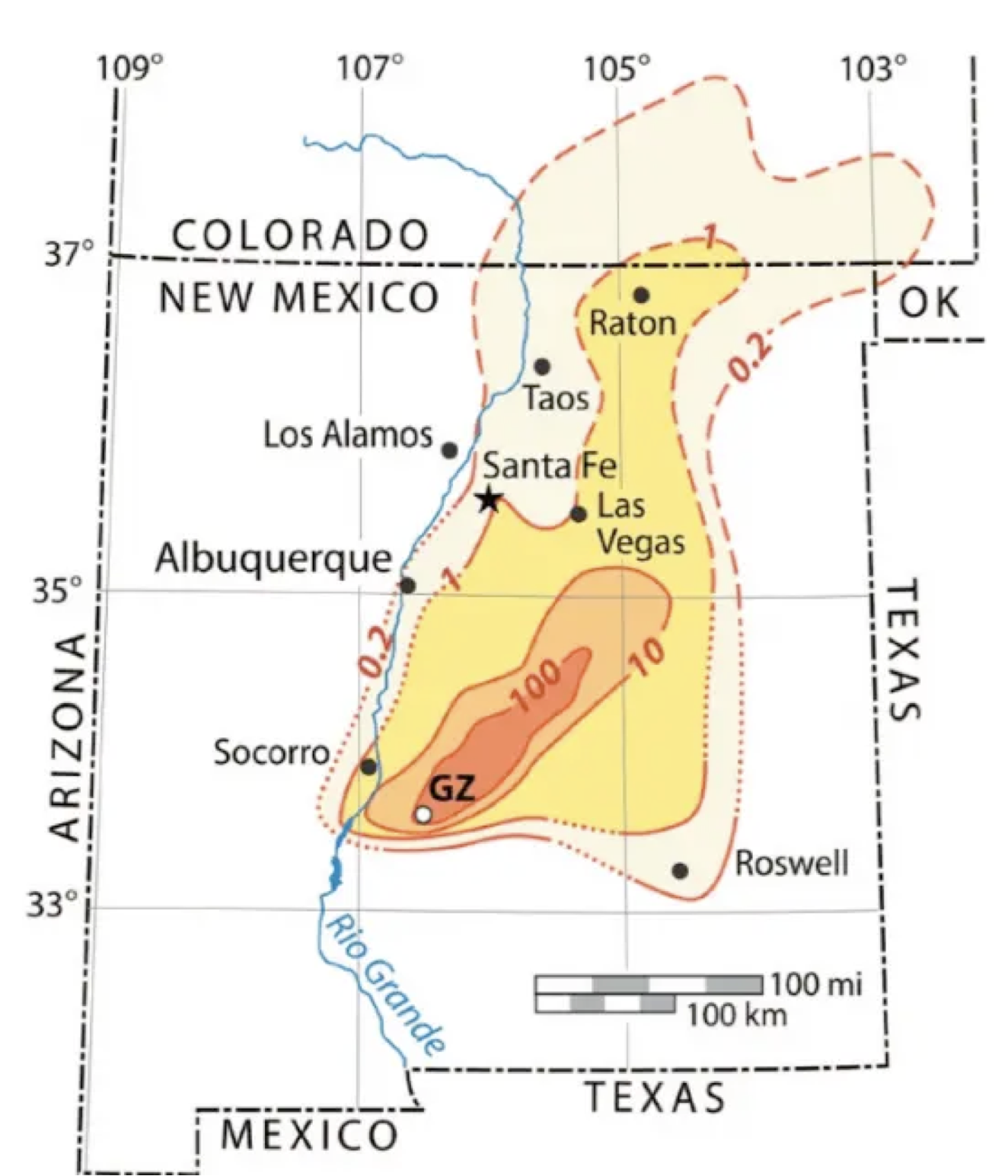
At some New Mexico Oppenheimer screenings, a 15-second advertisement will precede the movie. “Oppenheimer’s bomb led to decades of nuclear testing across the Southwest,” it says. “Communities still suffer health impacts related to the tests, many without government recognition or justice.” The ad is intended to point out that, for those who actually live in…
Read More