News
SOS: Nuclear power’s chilling legacy
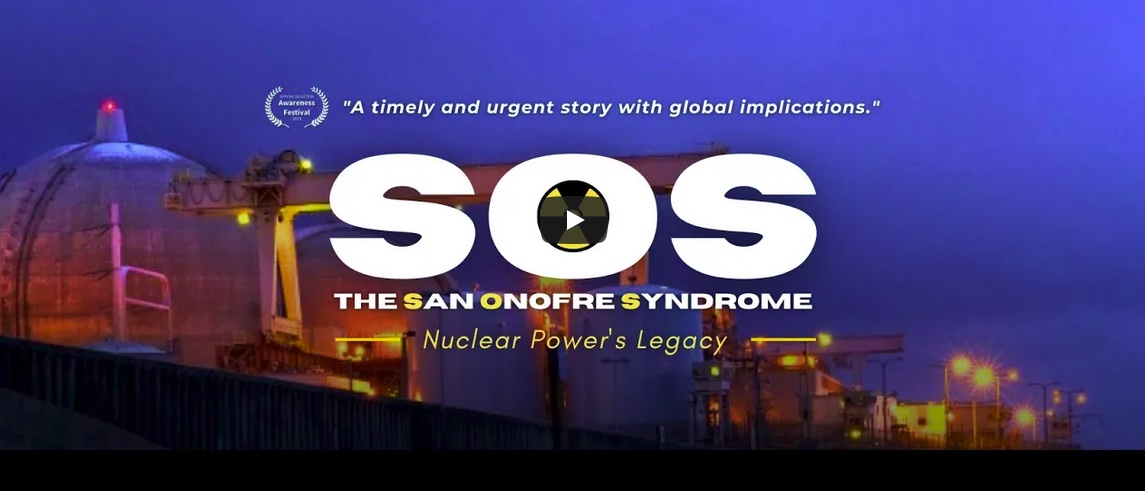
The San Onofre Syndrome (SOS), more than a decade in the making, had its world premiere on October 8 and won the Awareness Film Festival’s Documentary Feature Grand Jury Award (out of 100 documentary entries.) This is a great honor and bodes well for the future reach of the film. Many more screenings are being…
Read MoreHoltec’s “nuclear white elephant” secret plans revealed: SMRs at all decommissioning sites, $3.3 billion+ bailout for unprecedented Palisades zombie reactor restart
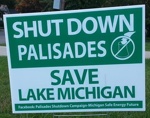
{Image above: Yard sign design by Michigan Safe Energy Future-Kalamazoo Chapter, and Palisades Shutdown Campaign} [Radio stations WSJM in St. Joe, MI, and WORT in Madison, WI, have reported on this story. Also, on the same day as the press release below came out, Beyond Nuclear’s Kevin Kamps made a summary presentation to colleagues via…
Read MoreNuclear power relapse in Sweden?
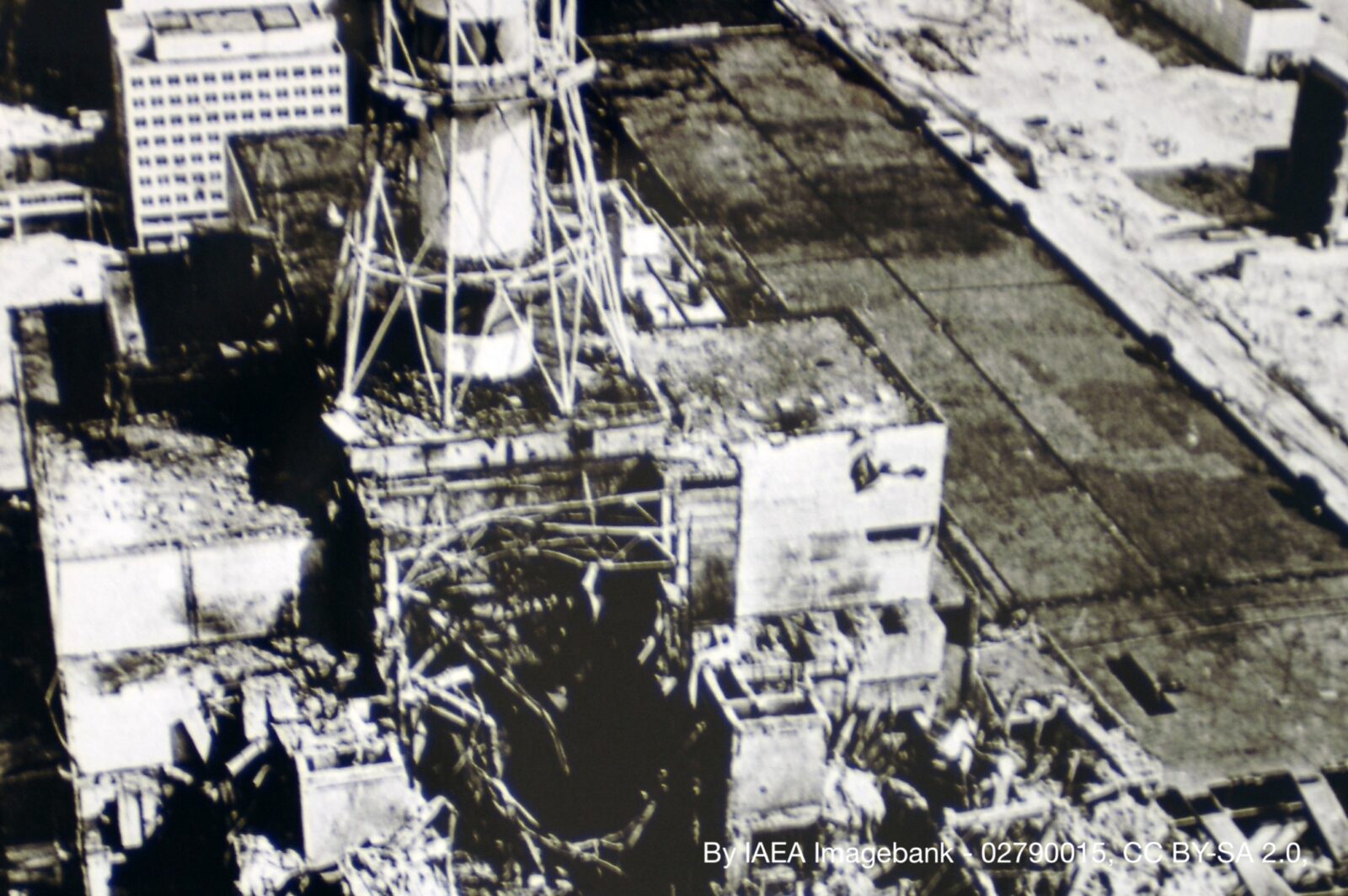
Beyond Nuclear’s radioactive waste specialist, Kevin Kamps, was quoted in an October 11 E&E News article, ‘Open for business’: Sweden turns to U.S. for nuclear reactors; Sweden’s deputy prime minister recently visited Washington to “go nuclear power plant shopping” and pitch regulatory collaboration to U.S. officials. “Has she forgotten about Chornobyl? (pictured) It took living…
Read More2023 Nuclear-Free Future Award winners announced
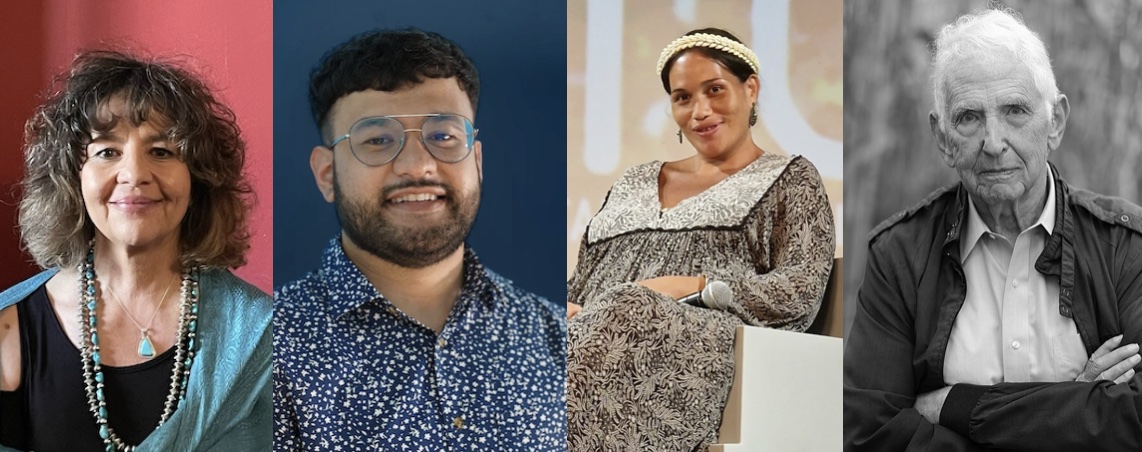
Indigenous and minority community activists honored for their work seeking justice for victims and survivors of atomic tests The 2023 Nuclear-Free Future Awards, an annual event that honors the many heroes of the global anti-nuclear movement who work to rid the world of uranium mining, nuclear power and nuclear weapons, will take place in New York…
Read MoreRussia and US to spar over nuclear test ban treaty?
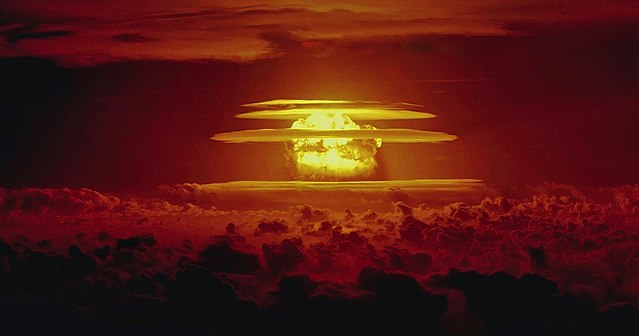
With The Bulletin of Atomic Scientists’ Doomsday Clock now set at “90 seconds to Midnight” and global tensions skyrocketing with potentially widening wars now between Russia/Ukraine and Israel/Gaza, it is a particularly precarious time to add the resumption of active nuclear weapons testing. However, Russia’s envoy to the to the Comprehensive Test Ban Treaty Organization…
Read MoreBrittle Diablo: NRC Commissioners punt to staff
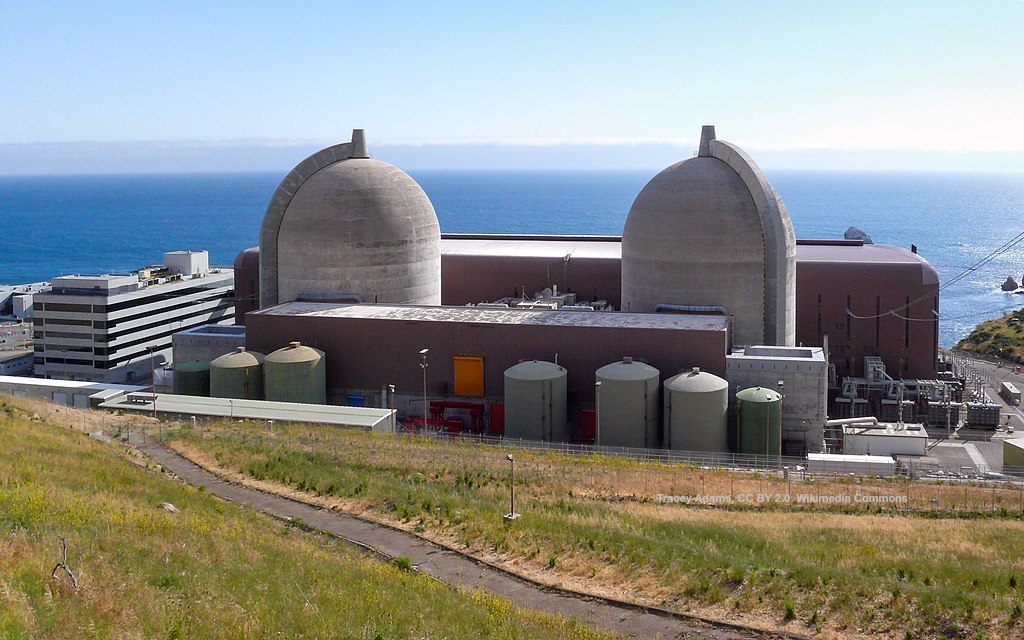
San Luis Obispo Mothers for Peace and Friends of the Earth — long-time watch-dogs on the Diablo Canyon nuclear power plant on central California’s Pacific coast (pictured) — responded to the Nuclear Regulatory Commission Commissioners’ ruling on the environmental coalition’s demand Unit 1 be immediately shut down. The groups are urging the reactor pressure vessel’s…
Read MoreHoltec launches Palisades restart process
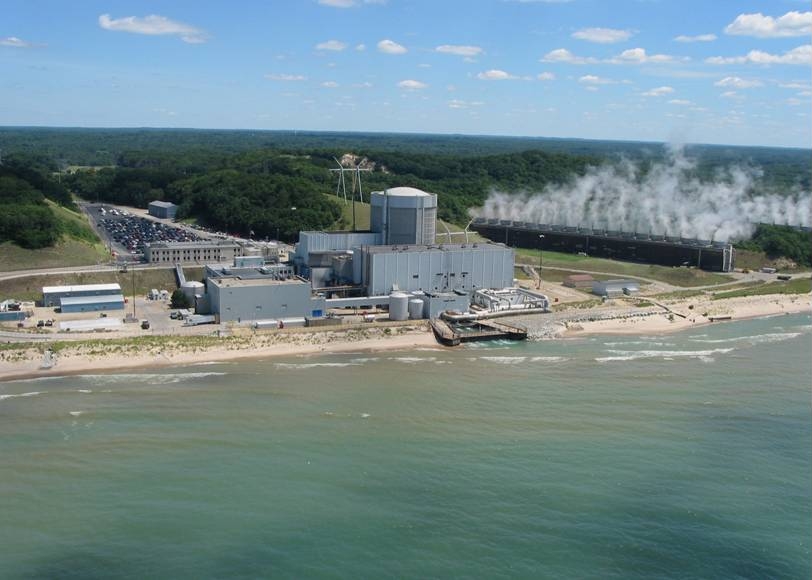
On October 3, Holtec met with Nuclear Regulatory Commission staff for the fourth time in six months (view recording), regarding the unprecedented, controversial, expensive, and risky restart of its closed Palisades atomic reactor on Lake Michigan’s shore in Covert, Michigan (pictured). Representatives from an environmental coalition that included Beyond Nuclear, Don’t Waste Michigan, MSEF, NEIS,…
Read MoreArnie Gundersen on Palisades
Arnie Gundersen on Palisades Enter the following passcode to access the video recording: R8gt=t## This 17-minute recording of Arnie Gundersen, chief engineer at Fairewinds, was made on Monday, September 11, 2023, before a live audience at Western Michigan University in Kalamazoo, Michigan, about 40 miles downwind of the Palisades atomic reactor, located on the Lake…
Read MoreHoltec’s ‘sleight of hand’ license transfer at Palisades is a textbook ‘bait & switch’
PRESS ADVISORY – Tuesday, October 3, 2023 @ 1:00pm – 3:00pm ET Contact for Comment: Kevin Kamps, radioactive waste specialist, Beyond Nuclear, (240) 462-3216, [email protected] Michael Keegan, Co-Chair, Don’t Waste Michigan, (734) 770-1441, [email protected] Holtec’s ‘sleight of hand’ license transfer of Palisades is a textbook ‘bait & switch’ Date(s) and Time(s): October 03, 2023, 01:00 PM to…
Read MoreMEET THE WINNERS: Nuclear-Free Future Award event
In 2022, three extraordinary activists were honored with the Nuclear-Free Future Award. However, at the end of 2022, the Award transited out of its former home at the Munich-based Nuclear Free Future Foundation and there was no official ceremony. Until now! Beyond Nuclear invites you to meet the 2022 winners at a special online awards…
Read More