Latest News
Depleted uranium danger in Ukraine

On the current Nuclear Hotseat, depleted uranium expert, academic and activist Damacio Lopez (pictured left with International Uranium Film Festival founder, Norbert Suchanek) explains how DU weapons were developed only two miles from his childhood home in Socorro, New Mexico; his trips to Iraq to measure radiation from DU weapons; and his drive to contact Ukraine’s President…
Read MoreMore trouble at Vogtle

The nuclear drumbeaters ignore stories like this latest setback out of Georgia because the inconvenient truth of nuclear power is that it is NOT reliable, is far too slow and expensive and of course comes with a myriad of safety problems and no solution to the radioactive waste it generates. The only US flagship for…
Read MoreUS nuclear facilities hacked
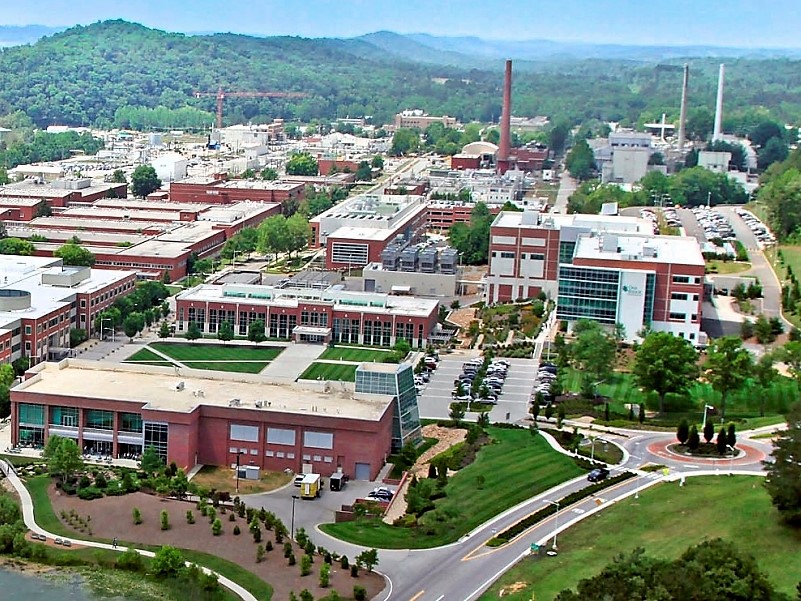
A contractor for the department’s Office of Science and national laboratories, including Tennessee’s Oak Ridge National Laboratory (pictured) that produces uranium for nuclear bombs and conducts nuclear energy research, was among the victims of a wide-ranging cyberattack that saw several federal agencies hacked, according to Bloomberg. “The Oak Ridge Institute for Science and Education is…
Read MoreFusion project a hot mess
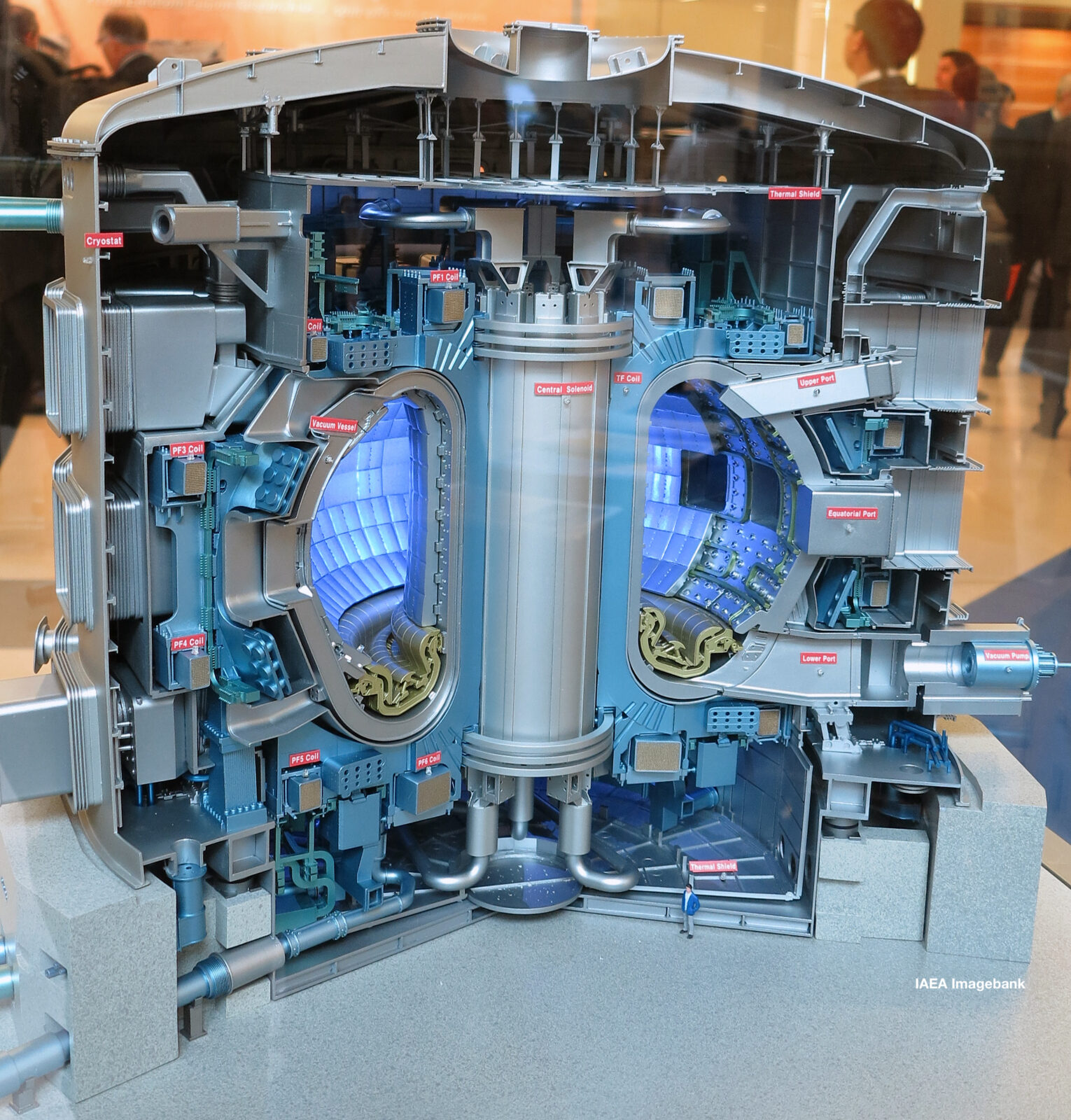
Billed as a panacea energy source for the world, the International Thermonuclear Experimental Reactor (ITER), a fusion technology first conceived of in the 1980s and formally begun in 2006, is billions of dollars over budget and years behind in construction. How much more it will cost and how long it will take no one is…
Read MoreFight back on nuke propaganda — here’s how
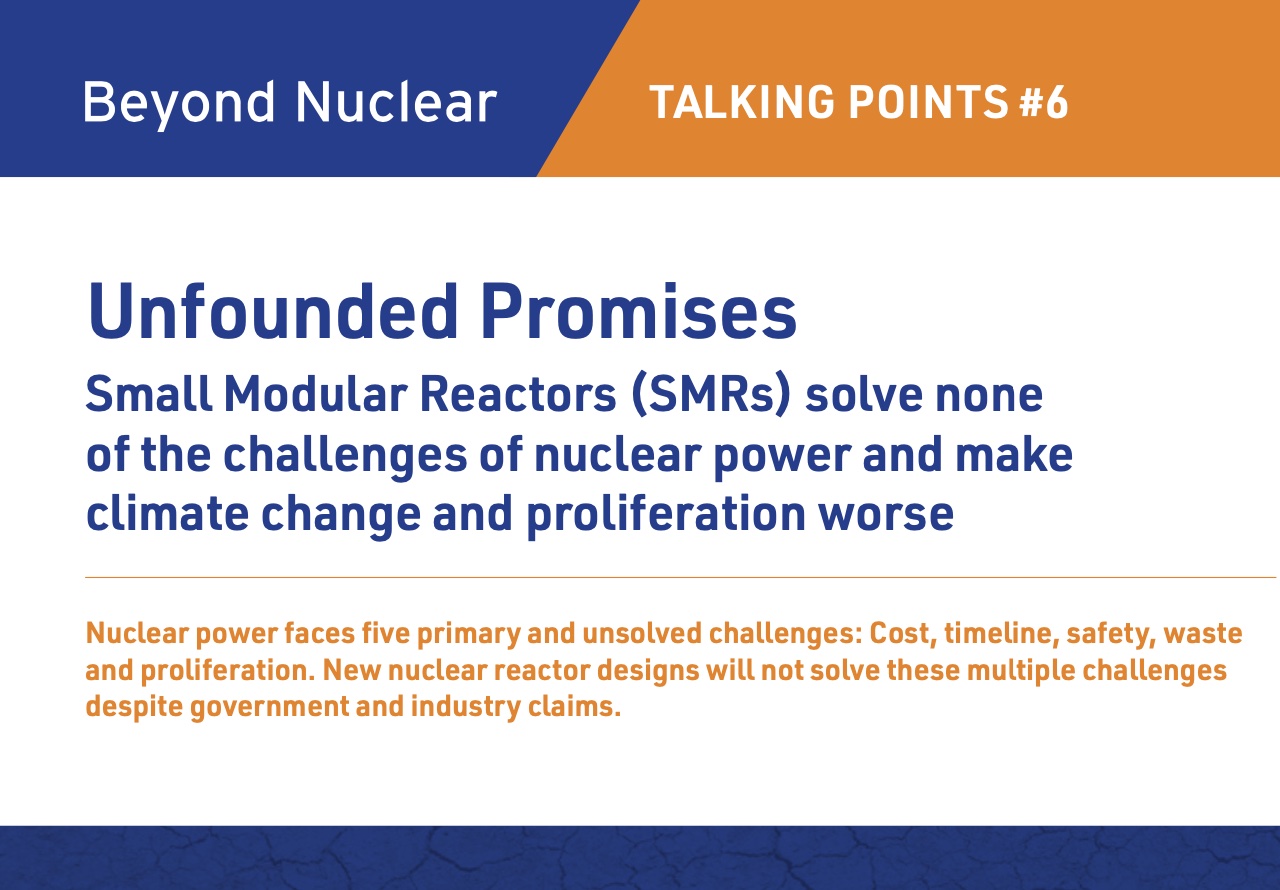
We are facing a saturation propaganda campaign from the pro-nuclear lobby claiming that nuclear power is a climate solution. It’s time for all of us to respond. To make it easier, Beyond Nuclear has provided a series of Talking Points addressing this topic. In addition to demonstrating how continuing with nuclear power impedes climate chaos…
Read MoreBelarus says it has Russian nuclear weapons

Belarus has started taking delivery of Russian nuclear weapons, according to its despotic leader, President Alexander Lukashenko (pictured), and worse, he has said he would use them “to repel aggression.” The transfer of weapons now contradicts what Russian president, Vladimir Putin, had indicated earlier, that no nuclear weapons would move to Belarus until some time…
Read More“New” Vogtle reactors already obsolete
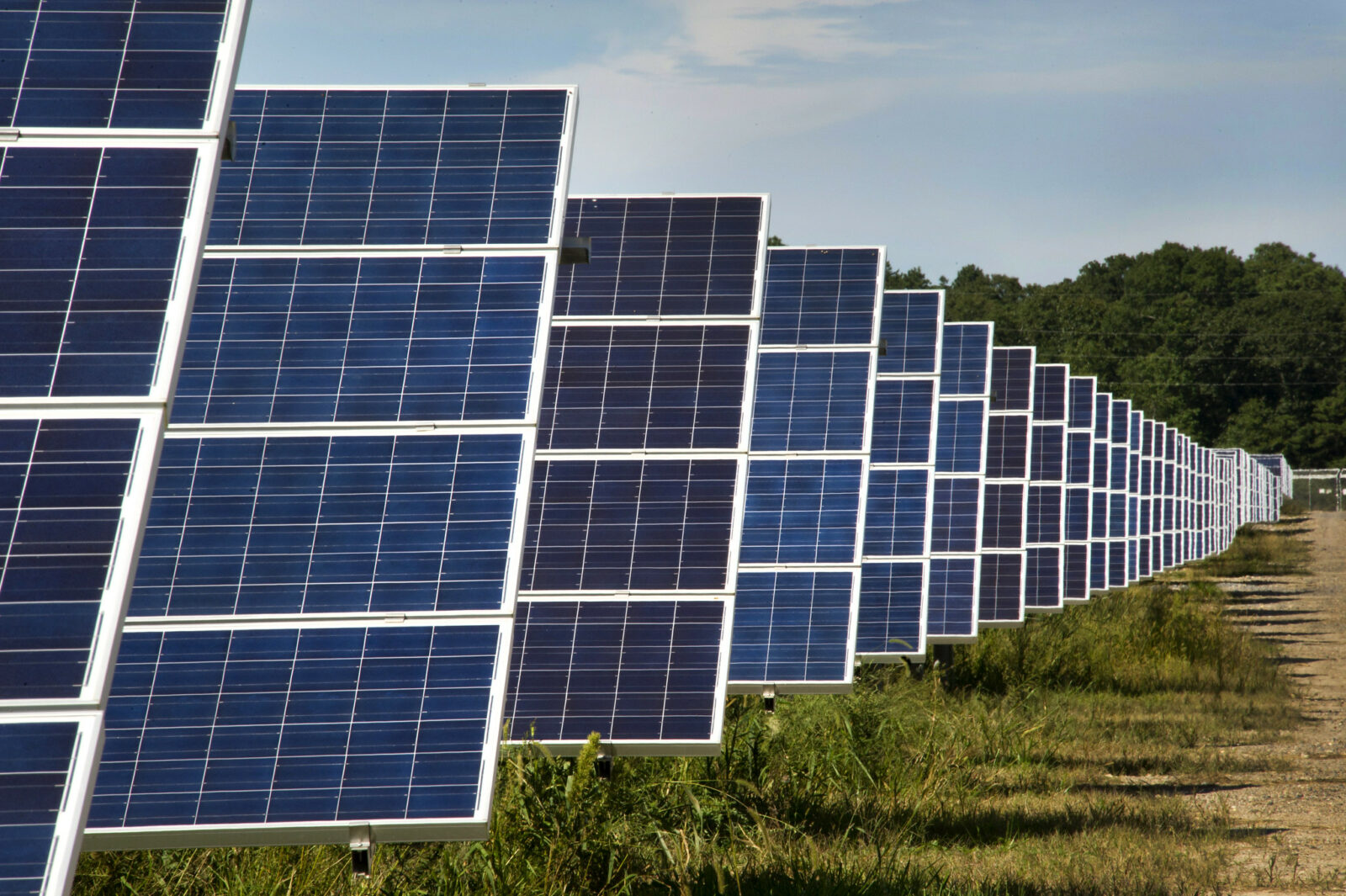
From Energy Live News: “In the first months of 2023, the US newly added utility-scale solar and wind energy installations surpassed the capacity of the newly operational Vogtle-3 nuclear reactor, which took nearly 14 years to construct. “That’s according to recent analysis conducted by the SUN DAY Campaign, based on data released by the Federal Energy…
Read MoreJapan tests radioactive water discharge
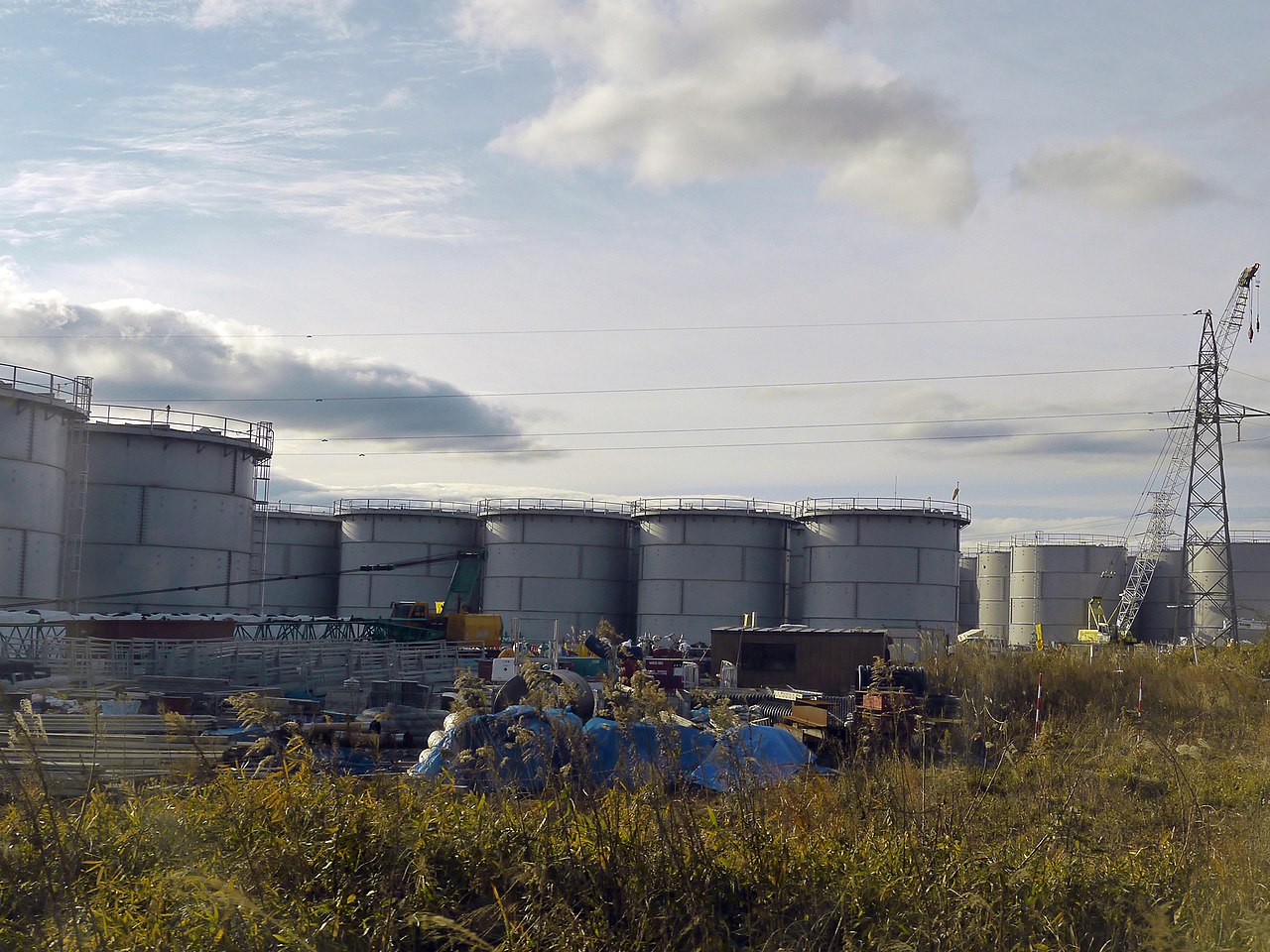
On June 12, Tokyo Electric Power Company (TEPCO) began testing the discharge system it intends to use to release radioactive water into the Pacific ocean from the Fukushima Daiichi nuclear power plant site. It used regular, uncontaminated water for the test, which was discharged through an under-sea tunnel system. TEPCO will spend two weeks testing…
Read MoreObscene spending on nuclear weapons
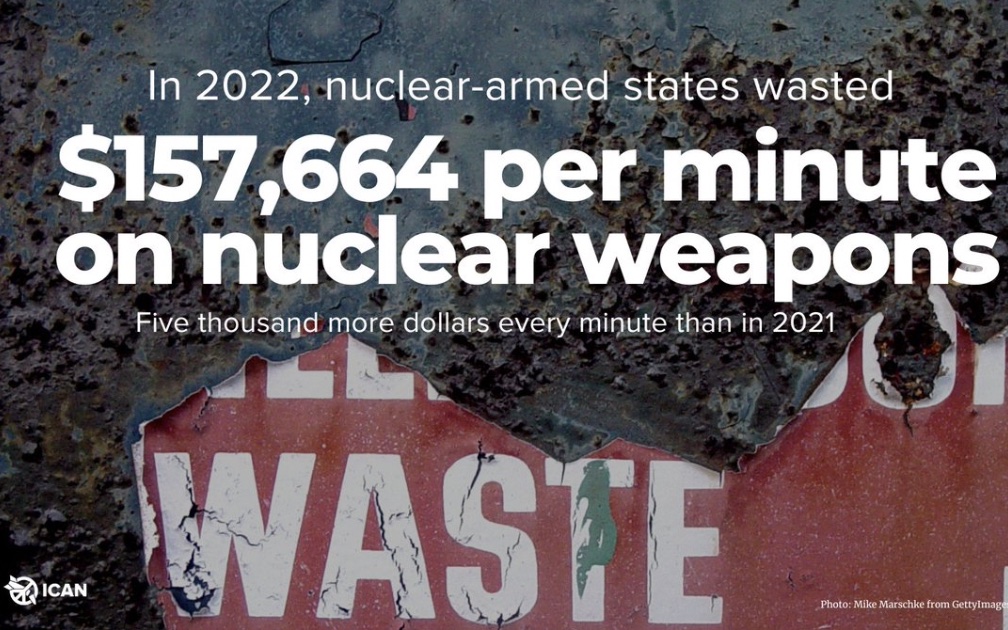
The United States spent $43.7 billion on its nuclear weapons program in 2022, according to the new ICAN Report — Wasted: 2022 Global Nuclear Weapons Spending. That’s $83,143 a minute and more than all of the other nuclear armed states combined. The next highest spender was China at $11.7 billion followed by Russia at $9.6…
Read MoreConsent-based or bribery?

The US Department of Energy on June 9 announced it will direct $26 million to “groups of university, nonprofit, and private-sector partners” who will help communities decide that they want to be the recipients of the country’s irradiated reactor fuel. Having abjectly failed to find any safe, long-term radioactive waste management “solution” — possibly because…
Read More