Uncategorized
Low-dose radiation risk underestimated
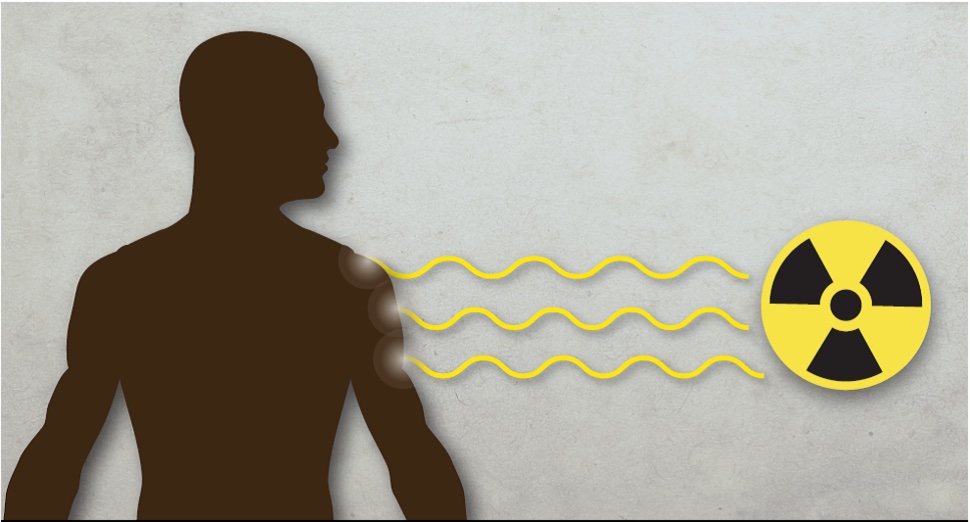
New research tracking the deaths of workers in the nuclear industry indicates that risk for cancer death from protracted exposure to external, low-dose radiation has been underestimated. Some of the evidence even indicates a steeper slope for the dose-response association in the low dose range than over the full dose range. Up to now, the…
Read MoreKeep Takoma Park nuclear-free!
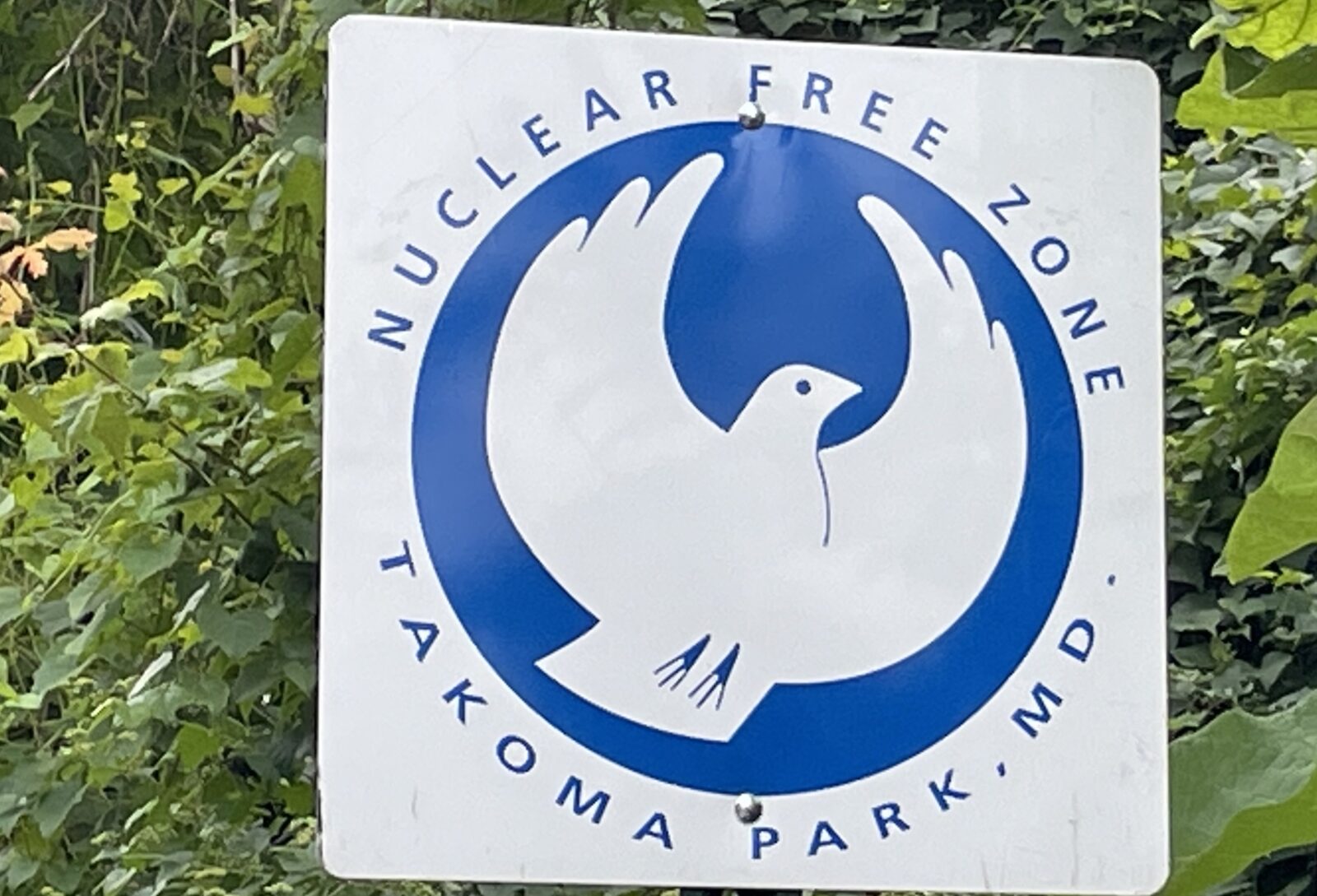
In an ominous turn of events, the Takoma Park City Council has voted to abolish a citizen watchdog committee with oversight of the city’s historic Nuclear-Free Zone Act. Beyond Nuclear is headquartered in Takoma Park, MD, renowned nationally and the world over for its nuclear-free status. The Takoma Park Nuclear-Free Zone Act ensures that the…
Read MoreWeaponizing uranium: Join the webinar

Inspired by International Physicians for the Prevention of Nuclear War’s (IPPNW) Mombasa World Congress, please join the US affiliate, Physicians for Social Responsibility, on Wednesday, August 23rd to discuss the legacy of uranium and the ways it has been weaponized to cause disproportionate and irreparable harm to Black, brown and Indigenous communities around the world.…
Read MoreFederal nuclear dump search relaunched

Acknowledging there is no consent in New Mexico or Texas for private consolidated interim storage facilities for high-level radioactive wastes, the U.S. Department of Energy has relaunched a federal dump search program from the 1980s-1990s under a new banner. DOE held a scripted webinar on July 25, touting its recently announced 13 consortia, paid $2…
Read MoreMichigan is promoting nuclear over renewables
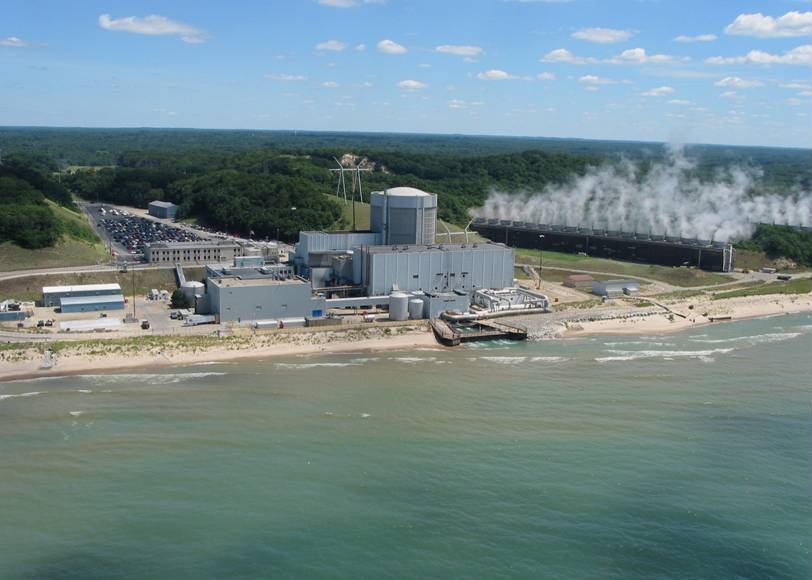
Writing in Bridge, Michigan, Jeff Alson, a retired EPA engineer and a board member of Alliance To Halt Fermi 3, urges Michigan governor, Gretchen Whitmer, and the Michigan legislature to end their costlysupport of existing and new nuclear power plants. He writes: “Even though the U.S. nuclear industry has not built a single nuclear plant…
Read MoreLeading Russians condemn threats to use nukes in Ukraine
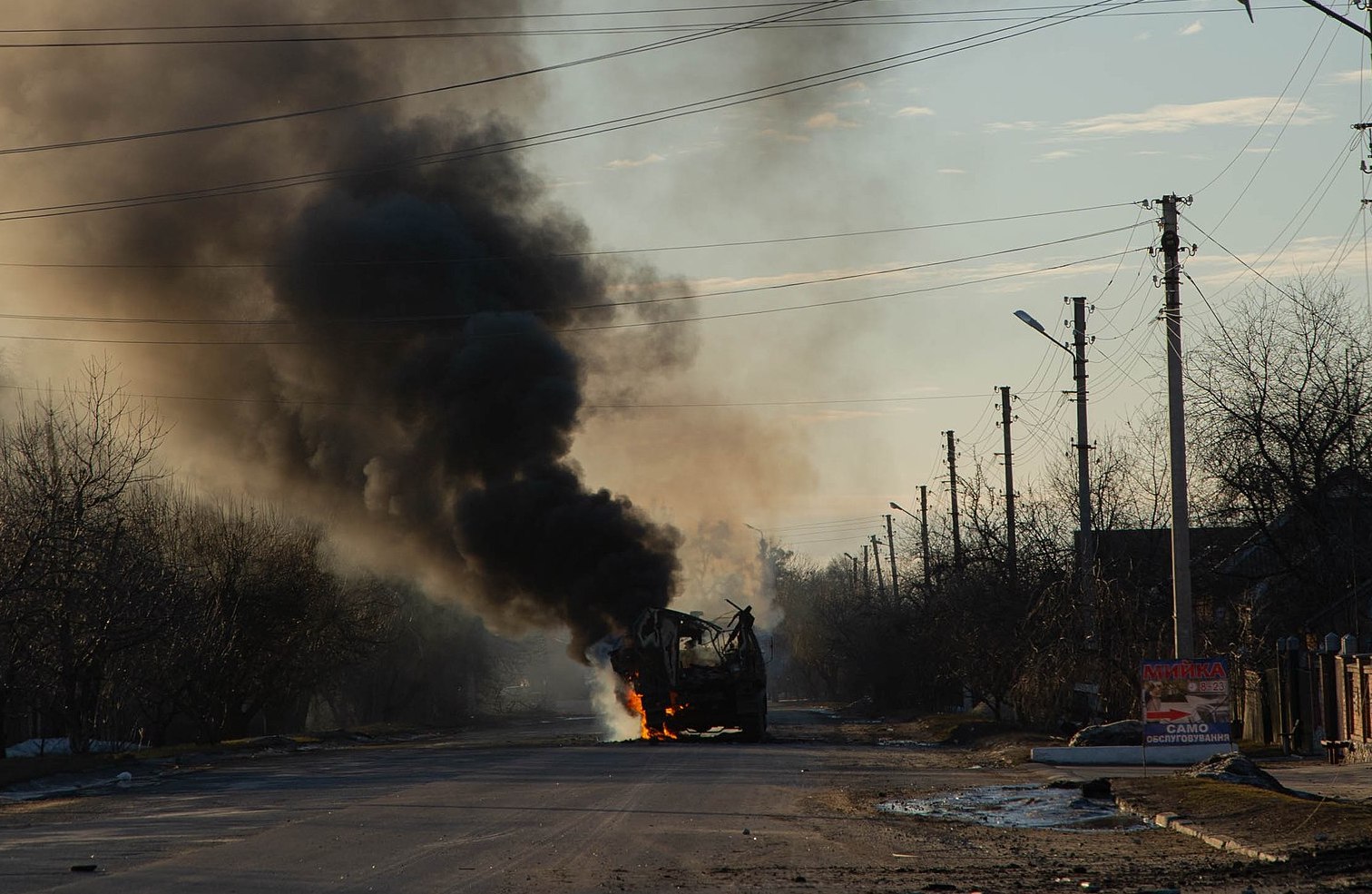
Members of the Russian Council for Foreign and Defense Policy, recently condemned threats to use tactical nuclear weapons on the battleground in Ukraine. Their unprecedented declaration reads: “Recently, there have been statements (some of them made by members of the SWAP) which promote, albeit with many reservations, the idea of a preventive nuclear strike by Russia…
Read MoreHuge victory in Illinois!

From Nuclear Energy Information Service: Illinois Governor JB Pritzker has vetoed SB76, a bill that was introduced to repeal the long-standing 1987 Illinois nuclear construction moratorium. The bill had also been introduced as a not-so-subtle promotion for the so-called “next-generation” of nuclear reactors which nuclear advocates want to bring to Illinois. “We are extremely grateful to…
Read MoreInherited damage from France’s nuclear tests in Polynesia?

For 30 years, France undertook nuclear testing in its Pacific territory, French Polynesia. There were a total of 193 nuclear tests, including 41 atmospheric, that ended in 1996. These tests exposed the local population. Recent reporting by Al Jazeera focuses on the health impacts. Investigations by one of the same researchers who just released a…
Read MoreCoal co. laughs off nukes: chooses renewables instead

The head of Australia’s biggest coal power company, AGL Energy, laughed off suggestions that AGL should convert its closing coal plants to nuclear power plants. Instead, AGL will be building solar and wind power. Specifically, the company was asked to delay closure of its last coal plants, (including Liddell, pictured by Webaware/Wikimedia Commons), to accommodate…
Read MoreACT NOW for Downwinders!
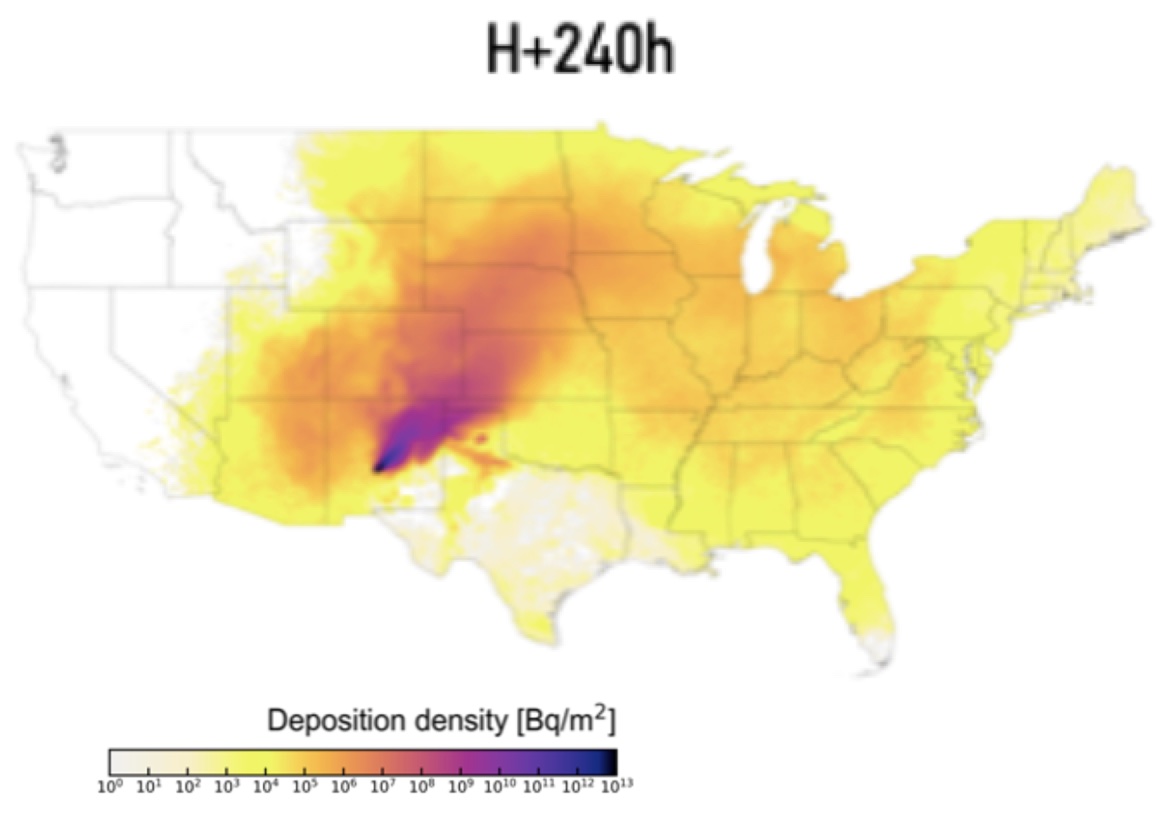
While other victims of atomic testing have been compensated, the Trinity Downwinders have not. Now that the U.S. Senate has passed a historic expansion and extension of the Radiation Exposure Compensation Act (RECA), meant to compensate Trinity Downwinders and others, we need to ask the U.S. House to do the same. As passed in the…
Read More